Base yourself in San Marco for your first visit and the big sights, Cannaregio for local life and the best value, Dorsoduro for art and a calmer, student feel, San Polo and Santa Croce for the Rialto market and food, and Castello for a quiet, residential stay. Venice is small and entirely walkable once you accept getting lost, so every sestiere is close to the others, divided more by atmosphere than distance.
Here is each sestiere, who it suits, where to book, and what to do nearby.
The quick answer
| Sestiere | Best for | The feel | The trade-off |
|---|---|---|---|
| San Marco | First visit, the sights | Grand, central, the Piazza | Busiest and priciest |
| Cannaregio | Local life, value | Canal-side bars, lived-in | A walk from St Mark’s |
| Dorsoduro | Art, calm | Galleries, students, the Zattere | Fewer late-night options |
| San Polo / Santa Croce | The Rialto, food | Central, the market, well connected | Busy around the bridge |
| Castello | Quiet, residential | Authentic, green, local | Furthest from the main sights |
San Marco: the best base for a first visit
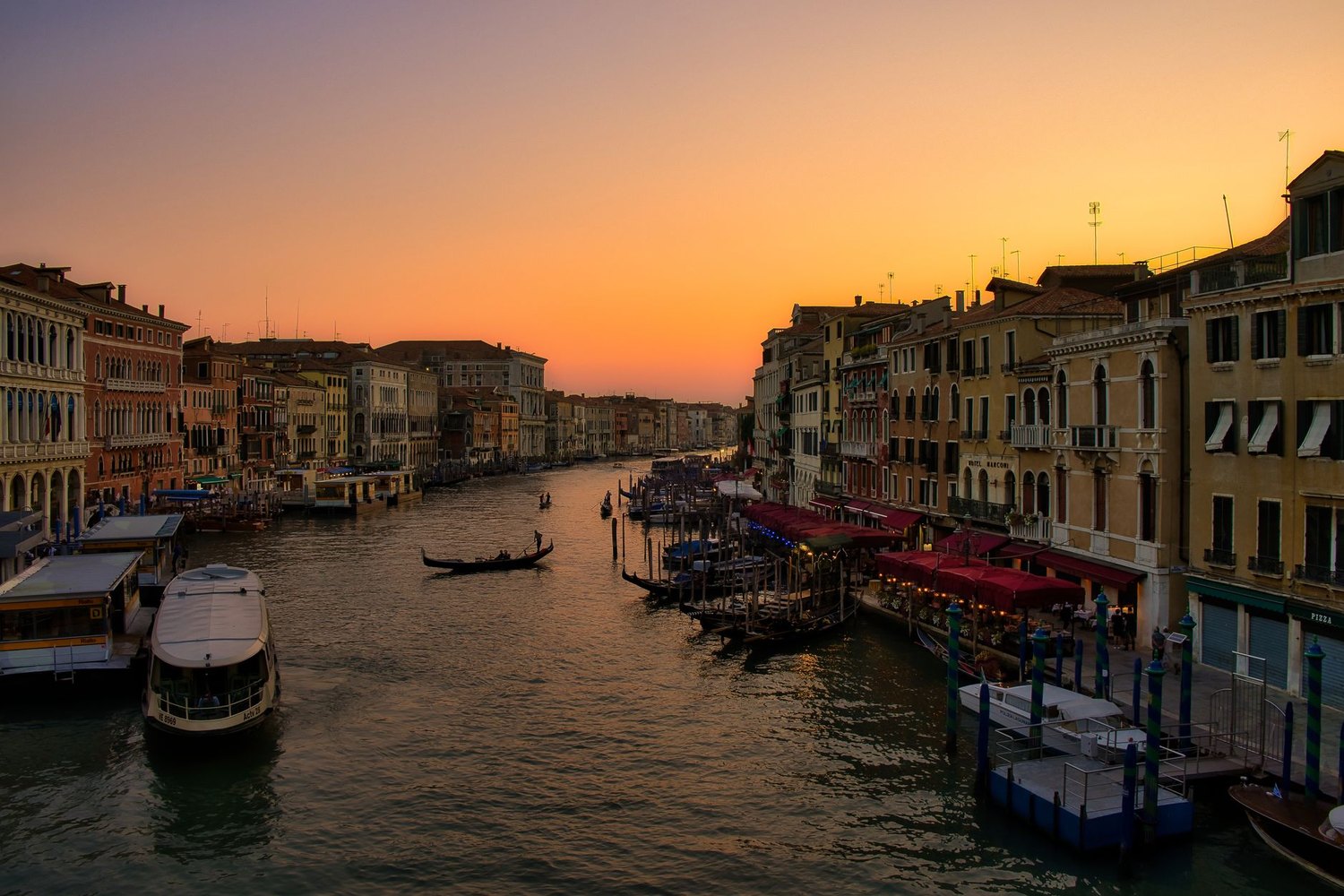
The central sestiere is the Venice of the imagination: St Mark’s Basilica and its Piazza, the Doge’s Palace, the Bridge of Sighs, and the grandest stretch of the Grand Canal. Stay here and the headline sights and the main vaporetto stops are on your doorstep, which makes it the most convenient base for a first, short visit.
The trade-off is that it is the busiest and most expensive sestiere, and the area right by the Piazza is shoulder-to-shoulder by day. Book a few lanes back and the crowds thin quickly, even here.
Where to book:
- Stays in San Marco (by the basilica and the Grand Canal)
- All central Venice hotels and apartments
Eat and see nearby: Book the St Mark’s Basilica and Doge’s Palace tickets ahead to skip the longest queues, see the Piazza early before the day boats arrive, and take an evening vaporetto down the Grand Canal when the palaces are lit.
Cannaregio: local life and the best value
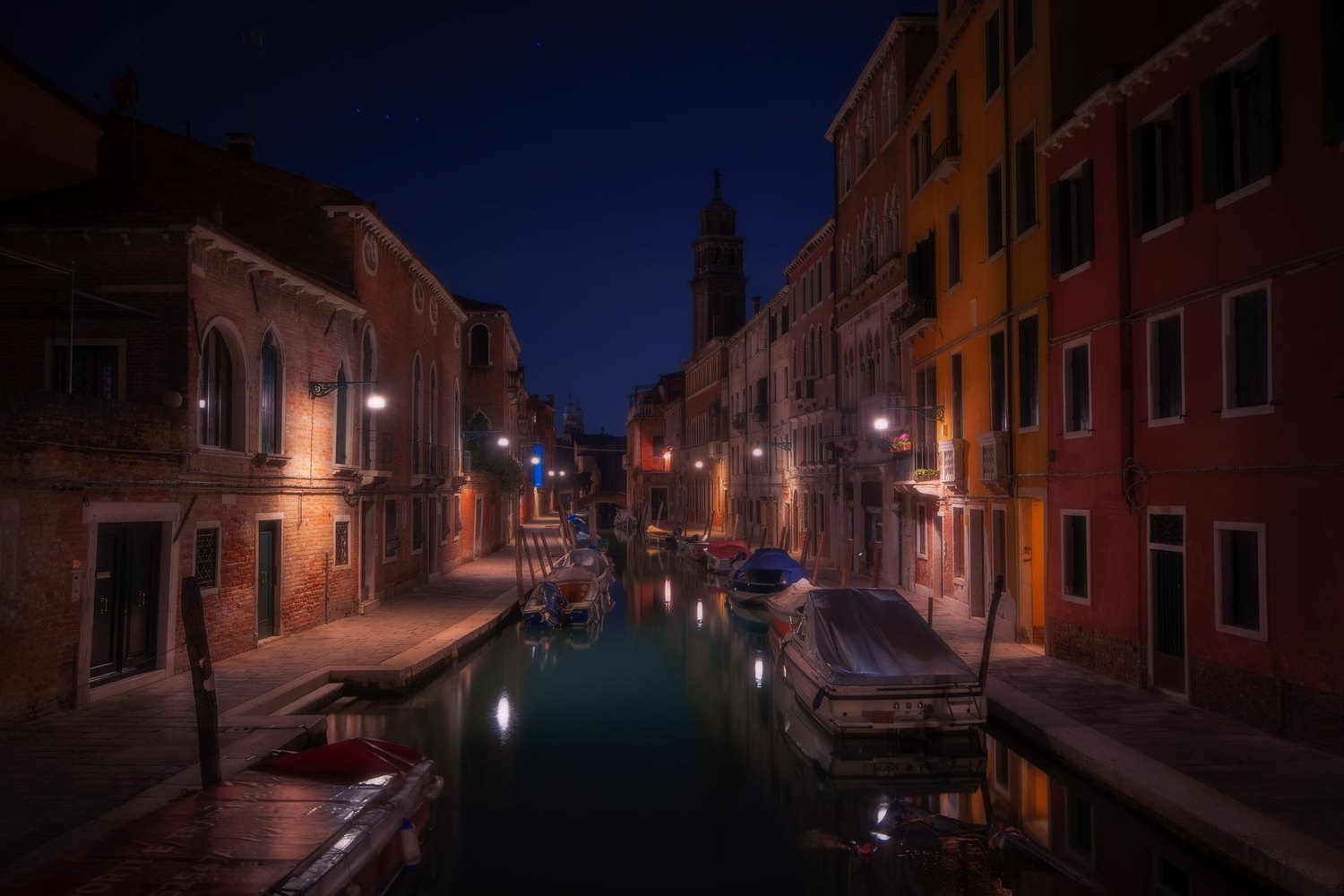
In the quiet north of the city, Cannaregio is where Venetians actually live: long sunny canals lined with bacari wine bars, the historic Jewish Ghetto, and the everyday bustle of a working neighborhood. It offers the best value of the central sestieri and the most authentic evenings, with St Mark’s a fifteen to twenty minute walk or a short vaporetto hop away. It is the pick for atmosphere and a fairer price.
Where to book:
- Stays in Cannaregio (local bars, canal-side, better value)
Eat and see nearby: Do a bacaro crawl along the Fondamenta della Misericordia, with a glass of wine and cicchetti at each stop, and visit the Jewish Ghetto, the oldest in the world. This is the best sestiere for an honest Venetian evening rather than a tourist menu.
Dorsoduro: art and a calmer stay
South of the Grand Canal, Dorsoduro is the artistic, academic side of Venice: the Accademia galleries, the Peggy Guggenheim Collection, the sun-catching Zattere promenade, and the lively student square of Campo Santa Margherita. It is calmer and greener than the centre, walkable to the sights over the Accademia bridge, and a lovely base if galleries and quiet canals are your Venice.
Where to book:
- Stays in Dorsoduro (galleries, the Zattere, calmer canals)
Eat and see nearby: See the Accademia Galleries and the Guggenheim, walk the Zattere at sunset looking across to the Giudecca, and join the students for an evening spritz on Campo Santa Margherita.
San Polo and Santa Croce: the Rialto and the food
In the bend of the Grand Canal, San Polo and Santa Croce are the market heart of the city, built around the Rialto Bridge and the morning produce and fish markets. It is central and well connected, with some of the best cicchetti bars in Venice tucked around the market stalls, and it is the obvious base if food and a lively, local-feeling centre matter most.
Where to book:
- Stays around the Rialto in San Polo (the market, cicchetti bars, central)
Eat and see nearby: Get to the Rialto market early when the fish stalls are at their best, eat cicchetti standing at the old bacari nearby, and cross the bridge at first light before the crowds for the classic Grand Canal photo.
Which base for your trip?
- First time in Venice: San Marco, or San Polo and Cannaregio for central but calmer and better value.
- A short 2-night trip: Any central sestiere near the vaporetto lines.
- Local life and value: Cannaregio.
- Art and calm: Dorsoduro.
- The market and food: San Polo, by the Rialto.
- Quiet and residential: Castello.
Getting around: there is no car
Venice is entirely car-free, and that is the point. You arrive by train at Santa Lucia or park at Piazzale Roma or on the mainland, then everything is done on foot and by the vaporetto water buses that run the Grand Canal and out to the islands. A multi-day vaporetto pass is worth it if you plan to ride often or visit Murano and Burano. Do not rent a car for Venice itself; only pick one up afterwards if you are continuing into the wider Veneto. For the rest of Italy, fast trains run south from Venice to Florence in a little over two hours and on to Rome.
A note on how we write about cost: we do not publish exact prices, because they move with the season, and Venice swings hard between the quiet winter months and the Carnival and high-summer peaks. The city runs the full range, from simple guesthouses to palace hotels on the Grand Canal, with San Marco the priciest base and Cannaregio and Castello the gentler choices for a similar standard.
Pick your sestiere, accept that you will get lost and enjoy it, and book early for spring and for Carnival.