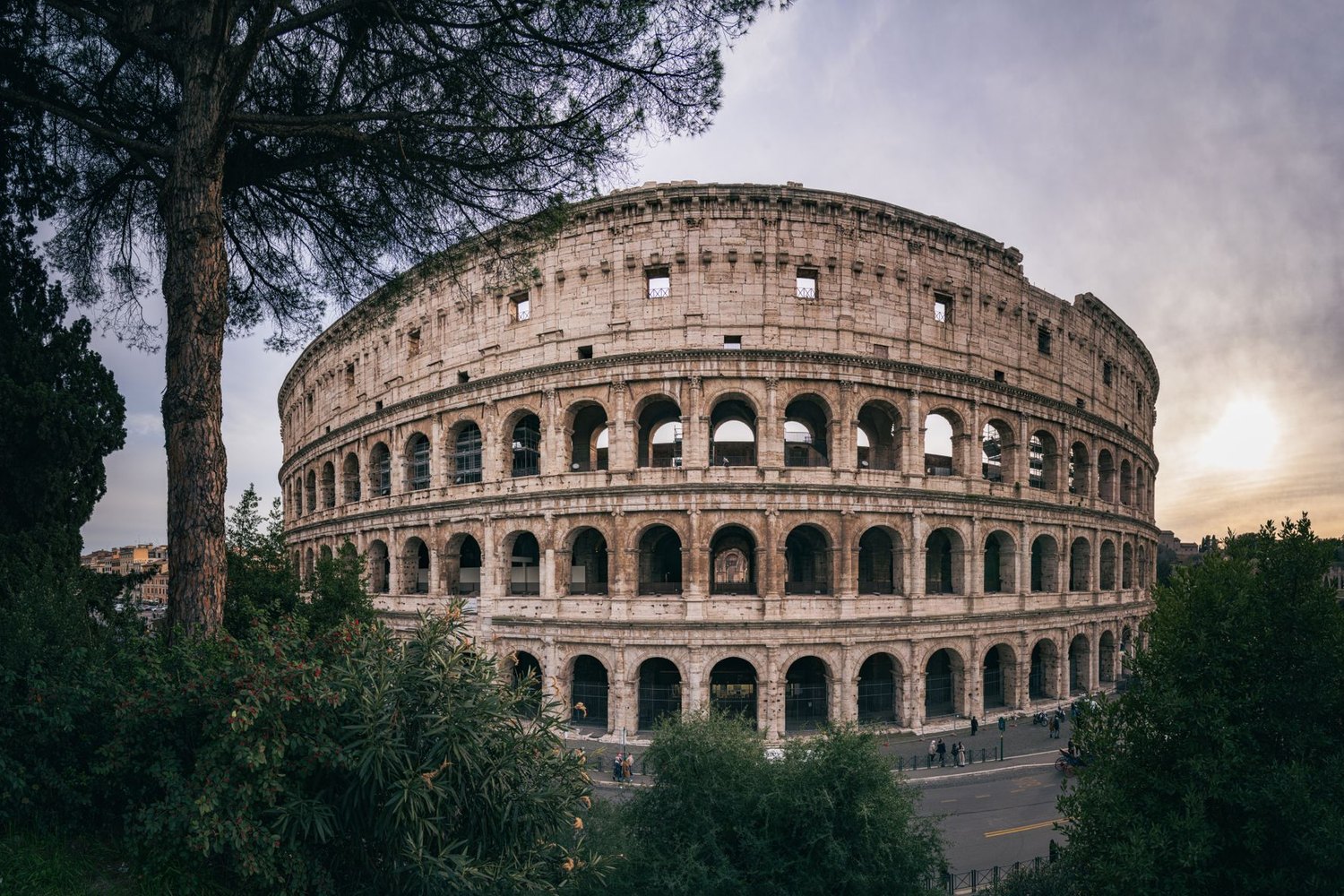
Base yourself in the Centro Storico for your first visit and the big sights, Monti for a local, trendy feel by the Colosseum, Trastevere for atmosphere and the best dining, Prati for an elegant, calmer base near the Vatican, and Testaccio for food and better value. Rome’s centre is bigger than it looks on a map, but the historic core is walkable, and the metro and trams stitch the rest together.
Here is each neighborhood, who it suits, where to book, and what to do nearby.
The quick answer
| Area | Best for | The feel | The trade-off |
|---|---|---|---|
| Centro Storico | First visit, the sights | Historic streets, piazzas, fountains | Busy; prices run higher |
| Monti | Local but central | Trendy, boutiques, wine bars | Some streets lively at night |
| Trastevere | Atmosphere, dining, nightlife | Cobbled lanes, buzzing evenings | A walk from the main sights; noisy late |
| Prati | Calm, the Vatican | Elegant, residential, good food | Quieter, less nightlife |
| Testaccio | Food, value, local life | Authentic, residential, no tourists | Away from the headline sights |
Centro Storico: the best base for a first visit
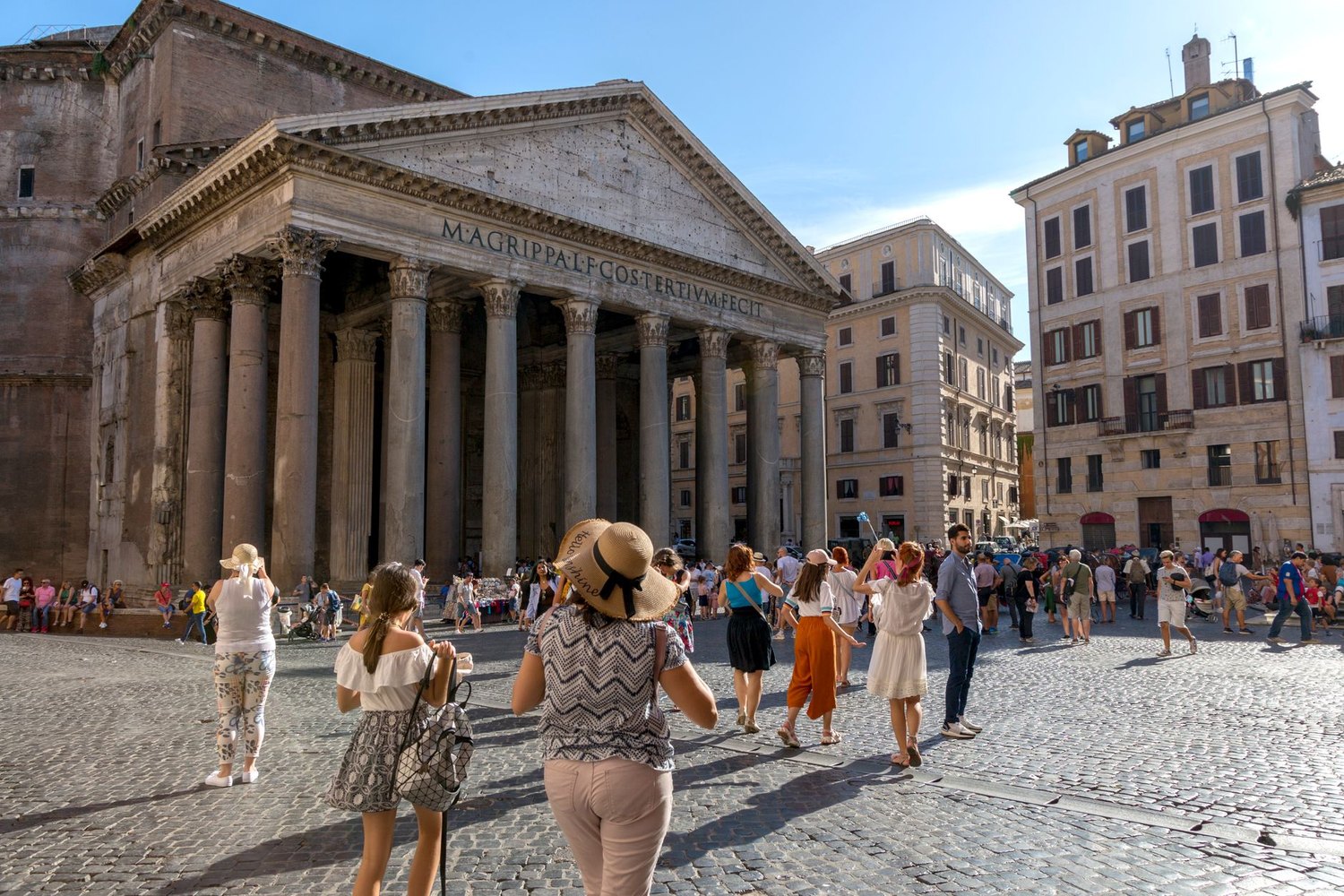
The historic centre is the Rome of the postcards: the Pantheon, Piazza Navona, the Trevi Fountain and Campo de’ Fiori, all within a walkable tangle of honey-coloured streets. Stay here and the sightseeing starts the moment you leave your door, with most of the famous sights a stroll apart and the evening passeggiata on your doorstep. For a first visit, nothing beats it for convenience.
The trade-off is that it is the busiest and priciest part of the city, and the streets right by the fountains stay lively late. Book a block or two off the main piazzas for a quieter night.
Where to book:
- Stays in the Centro Storico (by the Pantheon and Piazza Navona)
- All central Rome hotels and apartments
Eat and see nearby: Throw a coin in the Trevi early before the crowds, see the Pantheon’s open oculus, and book a Colosseum and Roman Forum tour ahead to skip the longest queues. End the day with a drink on Campo de’ Fiori.
Monti: local and trendy by the Colosseum
Tucked between the Colosseum and Termini, Monti is the oldest neighborhood in the city and now its most effortlessly cool: cobbled lanes lined with vintage shops, wine bars and small trattorias, with the Colosseum and the Forum a few minutes’ walk away. It is central without being in the tourist crush, and it has a genuine local evening scene around Piazza della Madonna dei Monti.
Where to book:
- Stays in Monti (walk to the Colosseum, local wine bars)
Eat and see nearby: Walk down to the Colosseum and the Forum at opening time, browse the Monti vintage shops, and settle into one of the neighborhood wine bars for aperitivo. The Colosseum underground and arena tours are the best way to see it if you book early.
Trastevere: atmosphere, dining and nightlife
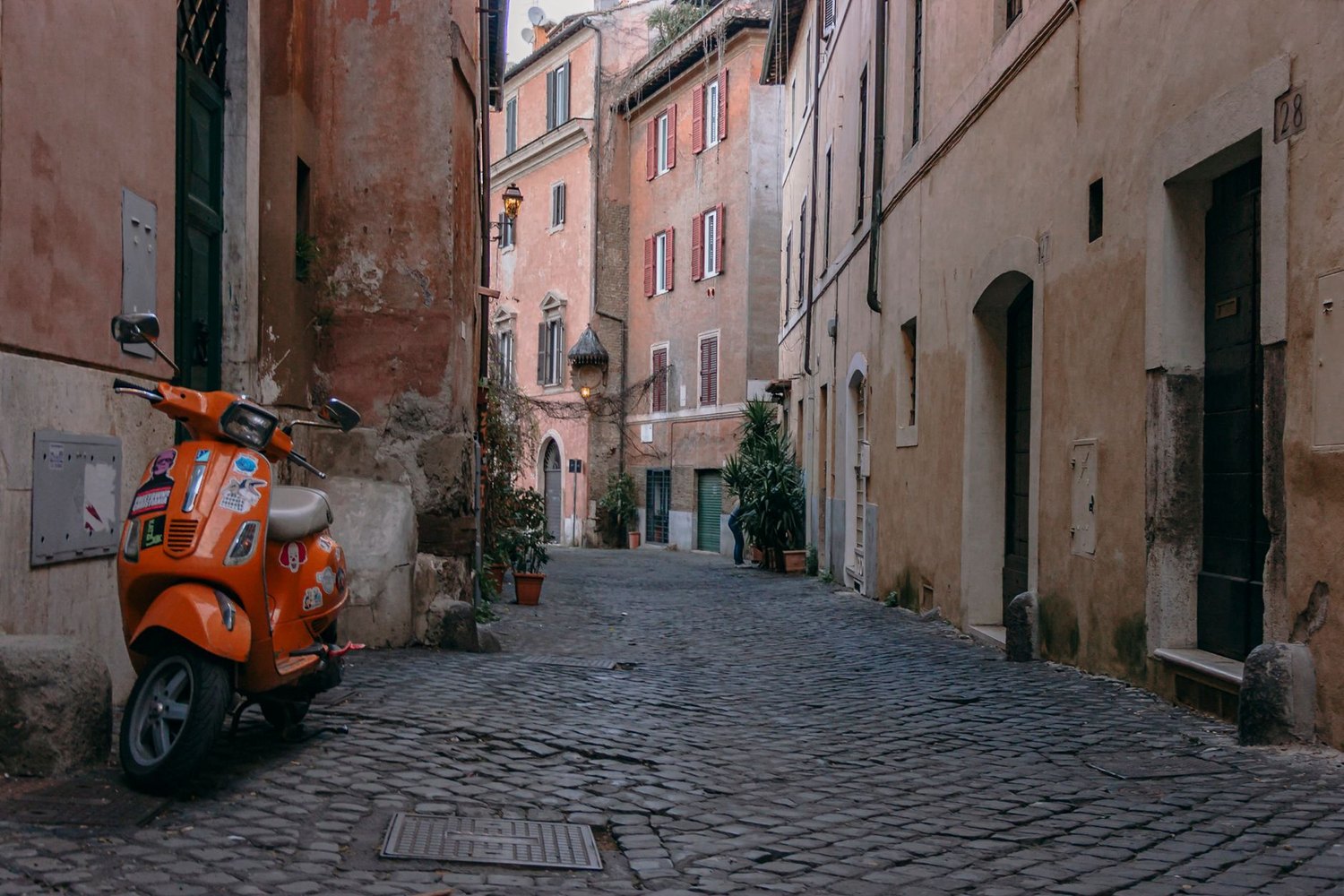
Across the Tiber, Trastevere is Rome at its most atmospheric: ivy-draped houses, cobblestones, and a maze of lanes that fill with people every evening. It has the city’s densest and liveliest dining and nightlife, built around Piazza di Santa Maria in Trastevere, and it feels like a village even though the centre is a fifteen-minute walk or a quick tram ride over the river. It is the pick for character and a great dinner scene.
The trade-off is the noise: the main squares are loud well past midnight, so book a quieter back lane if you are a light sleeper.
Where to book:
- Stays in Trastevere (atmosphere, dining, short tram to the centre)
Eat and see nearby: Do a dinner-and-wander evening through the lanes, climb to the Gianicolo terrace for the best view over the rooftops at sunset, and take a Trastevere food tour to find the bars you would otherwise miss.
Prati: elegant and calm near the Vatican
North of the river by the Vatican, Prati is a graceful, orderly district of wide boulevards and handsome apartment blocks, with excellent restaurants and the famous Cola di Rienzo shopping street. It is calmer and more residential than the centre, the Vatican Museums and St Peter’s are on its doorstep, and a metro ride drops you into the historic core in minutes. A smart pick if you want quiet evenings and easy Vatican access.
Where to book:
- Stays in Prati (near the Vatican, calm and elegant)
Eat and see nearby: Beat the queues at the Vatican Museums and Sistine Chapel with a timed entry, climb St Peter’s dome for the view, and eat where the locals do along Via Cola di Rienzo rather than in the tourist traps by the basilica.
Testaccio: food, value and real Roman life
For the city’s best food and a genuinely local stay, Testaccio is the insider’s choice. This working, residential quarter south of the centre is the home of classic Roman cooking, with a superb covered market and the trattorias that Romans actually eat in, and no tourist crowds. You are a tram ride from the sights and paying noticeably less than inside the historic core.
Where to book:
- Stays in Testaccio (food-lover’s base, better value)
Eat and see nearby: Graze the Testaccio Market for lunch, try the Roman classics the neighborhood invented, and walk up Aventine Hill to the keyhole view of St Peter’s dome through the garden gate.
Which base for your trip?
- First time in Rome: Centro Storico, or Monti for central but a touch calmer.
- A short 3-night trip: Stay central (Centro Storico or Monti) so you can walk to the main sights.
- Atmosphere and dining: Trastevere, across the river.
- The Vatican and quiet evenings: Prati.
- Food and value: Testaccio, or the Monti and San Lorenzo edges.
- On a budget: Testaccio, the Esquilino blocks near Termini, or San Lorenzo.
Getting around: skip the car
Central Rome is walkable, and a car is a liability here: the historic centre is a restricted traffic zone, the streets are narrow and chaotic, and parking is scarce. Stay central and walk, with the metro, trams and buses for the longer hops out to the Vatican or Testaccio. For day trips, the train is easy: Ostia Antica and the coast are a short ride, and fast trains reach Florence and Naples, the gateway to the Amalfi Coast, in well under two hours. Only rent a car if you are continuing into the countryside or down the coast after your city days.
A note on how we write about cost: we do not publish exact prices, because they move with the season, and Rome swings hard between the quiet months and the Easter and high-summer peaks. The city runs the full range, from convents and simple guesthouses to grand hotels, with the Centro Storico the priciest base and Testaccio, the Esquilino and Prati gentler on the wallet for a similar standard.
Pick your neighborhood, book early for spring and autumn, and the rest of a Rome trip is just deciding which piazza to sit in first.