Base yourself around the Duomo in the Centro Storico for your first visit and the big sights, Santa Croce for a central but slightly calmer base, the Oltrarno for artisan atmosphere across the river, San Marco and San Lorenzo for value near the David and the market, and Santa Maria Novella for convenience by the station. Florence’s historic centre is small enough to walk end to end in twenty minutes, so wherever you base yourself you are close to everything.
Here is each neighborhood, who it suits, where to book, and what to do nearby.
The quick answer
| Area | Best for | The feel | The trade-off |
|---|---|---|---|
| Duomo / Centro Storico | First visit, the sights | Renaissance core, everything on foot | Busiest; prices run higher |
| Santa Croce | Central but calmer | Historic, local, lively squares | Some evening noise near the basilica |
| Oltrarno / Santo Spirito | Atmosphere, food, artisans | Bohemian, workshops, trattorias | A short walk over the river to the sights |
| San Marco / San Lorenzo | Value, the David, the market | Student buzz, food hall | Less picturesque than the core |
| Santa Maria Novella | Convenience, trains | Handy, well connected | Streets by the station are plainer |
Duomo and the Centro Storico: the best base for a first visit
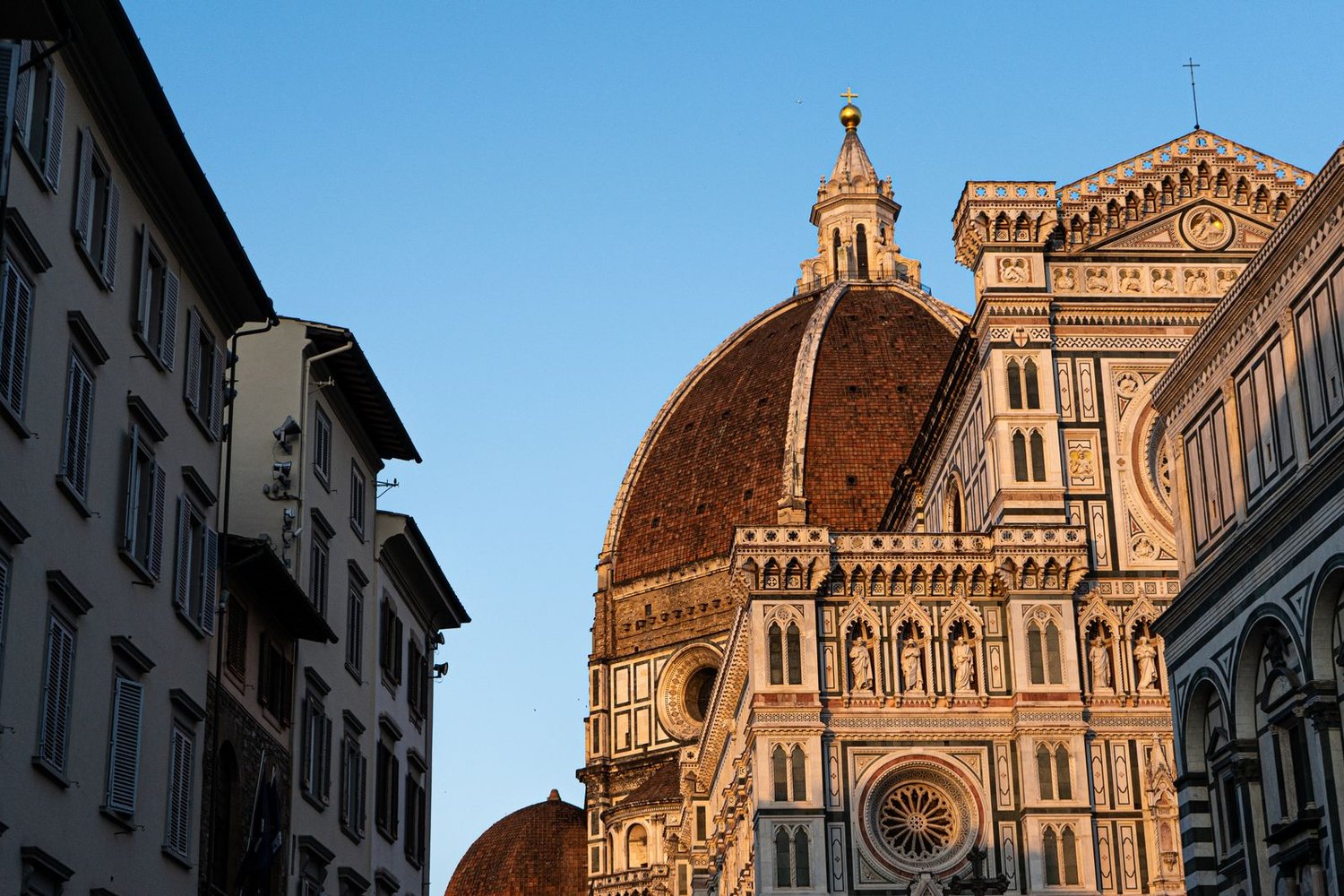
The historic centre is the heart of Renaissance Florence, and staying by the Duomo puts you in the middle of it: the cathedral and Brunelleschi’s dome, the Uffizi, the Ponte Vecchio and the Piazza della Signoria are all a short walk apart. The whole quarter is walkable and the streets are the sightseeing, which makes it the simplest base for a first visit.
The trade-off is that it is the busiest and priciest part of the city, and the blocks right by the cathedral fill with day-trippers. Book a street back for a quieter stay and you still walk everywhere.
Where to book:
- Stays near the Duomo (walk to the cathedral, Uffizi and Ponte Vecchio)
- All central Florence hotels and apartments
Eat and see nearby: Book the Uffizi Gallery skip-the-line ticket and the dome climb ahead, because both sell out their timed slots. Cross the Ponte Vecchio at golden hour and have an early-evening aperitivo on one of the smaller squares.
Santa Croce: central, a touch calmer
Just east of the core around the great Basilica di Santa Croce, this district keeps you a few minutes’ walk from the Duomo while feeling a little more lived-in, with leather shops, good restaurants, and lively evening squares like Sant’Ambrogio and its market. A strong pick if you want to be central without being right on top of the busiest cathedral streets.
Where to book:
- Stays in Santa Croce (central, local markets, short walk to the Duomo)
Eat and see nearby: See the tombs of Michelangelo and Galileo in the basilica, shop the Sant’Ambrogio market in the morning, and eat where the Florentines do around Piazza dei Ciompi rather than on the main tourist drag.
Oltrarno and Santo Spirito: artisan atmosphere across the river
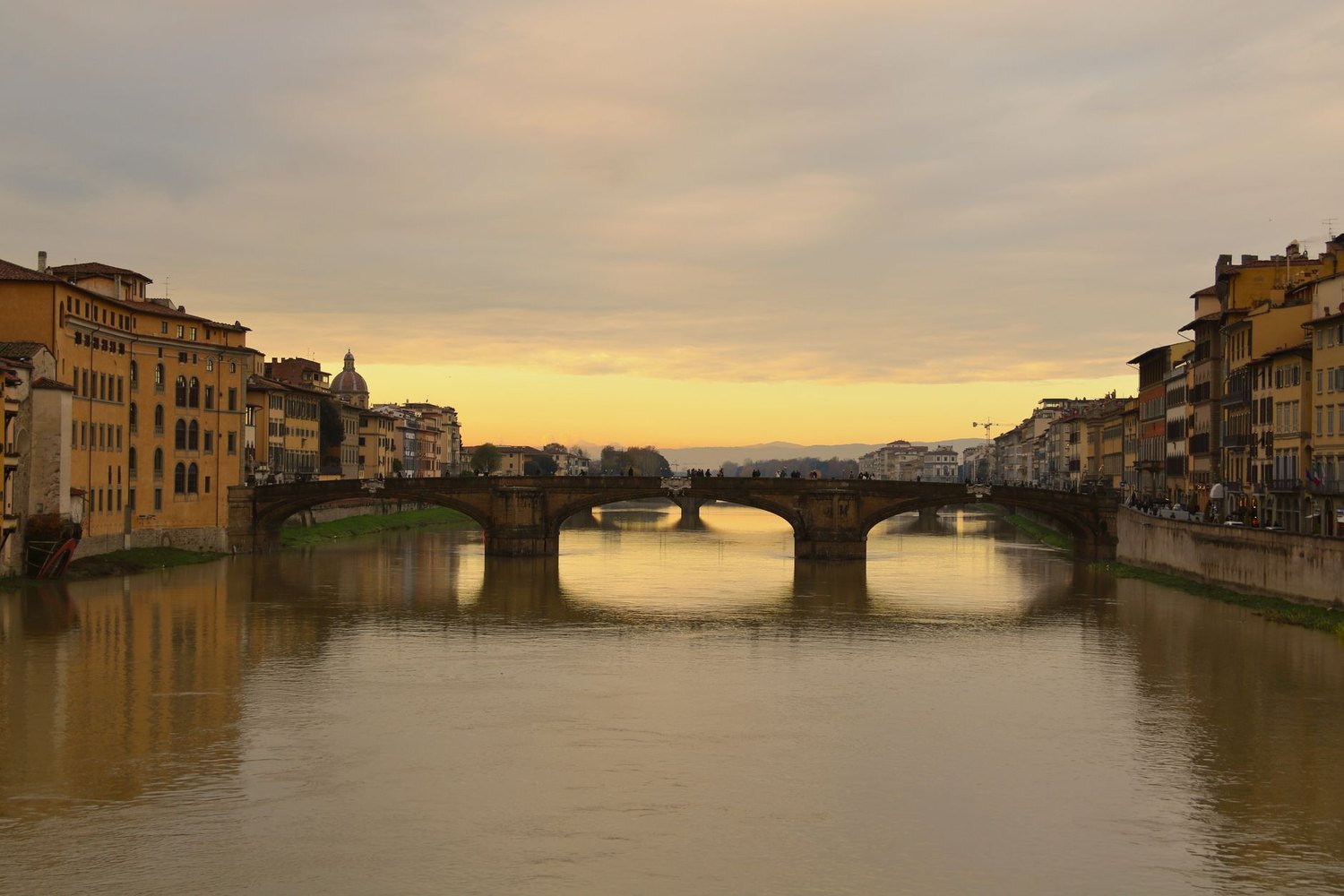
Cross the Arno by the Ponte Vecchio and you reach the Oltrarno, the artisan soul of the city: streets of leatherworkers and goldsmiths, the buzzing Piazza Santo Spirito with its trattorias and bars, and the Pitti Palace and Boboli Gardens. It is the most atmospheric and local base, five to ten minutes on foot from the main sights but a world calmer, and it has some of the best eating in Florence.
Where to book:
- Stays in the Oltrarno and Santo Spirito (artisan streets, great food, short walk over the river)
Eat and see nearby: Climb to Piazzale Michelangelo for the classic view over the city at sunset, wander the artisan workshops, and settle into Santo Spirito for dinner. The Pitti Palace and Boboli Gardens ticket is worth booking ahead in high season.
San Marco and San Lorenzo: value near the David and the market
North of the Duomo, the San Marco and San Lorenzo blocks are home to the Accademia and its statue of David, the vast Mercato Centrale food hall, and a younger, student-heavy energy from the nearby university. You are still an easy walk from the cathedral, but prices ease off and you eat brilliantly at the market. A sensible value base that stays central.
Where to book:
- Stays around San Marco and San Lorenzo (near the David and the Mercato Centrale, better value)
Eat and see nearby: Book the Accademia ticket to see the David ahead to skip the line, eat your way through the upper floor of the Mercato Centrale, and browse the San Lorenzo market stalls.
Which base for your trip?
- First time in Florence: the Duomo and Centro Storico, or Santa Croce for central but calmer.
- A short 2-night trip: Stay central near the Duomo so you can walk to everything.
- Atmosphere and food: the Oltrarno and Santo Spirito, across the river.
- The David, the market and value: San Marco and San Lorenzo.
- Convenience and trains: Santa Maria Novella, by the station.
- On a budget: San Lorenzo, or the blocks around the station.
Getting around: skip the car
Florence’s centre is tiny and made for walking, and a car is a liability: the historic core is a restricted traffic zone with automatic fines for driving in, and parking is scarce and slow. Stay central and you walk to everything. For Tuscany, trains reach Pisa, Lucca and Siena with ease, and the fast line connects Florence to Rome in around an hour and a half and north to Venice in a little over two. If you want to explore the wine country and hill towns of Chianti and the Val d’Orcia, rent a car for that leg and pick it up on your way out of the city rather than parking it downtown.
A note on how we write about cost: we do not publish exact prices, because they move with the season, and Florence runs hot through spring and autumn when the art crowds peak. The city offers everything from simple guesthouses and convents to restored palazzo hotels, with the Duomo blocks the priciest and San Lorenzo, Santa Croce and the station area gentler on the wallet for a similar standard.
Pick your neighborhood, book the Uffizi and the David the moment you have dates, and the rest of a Florence trip takes care of itself.