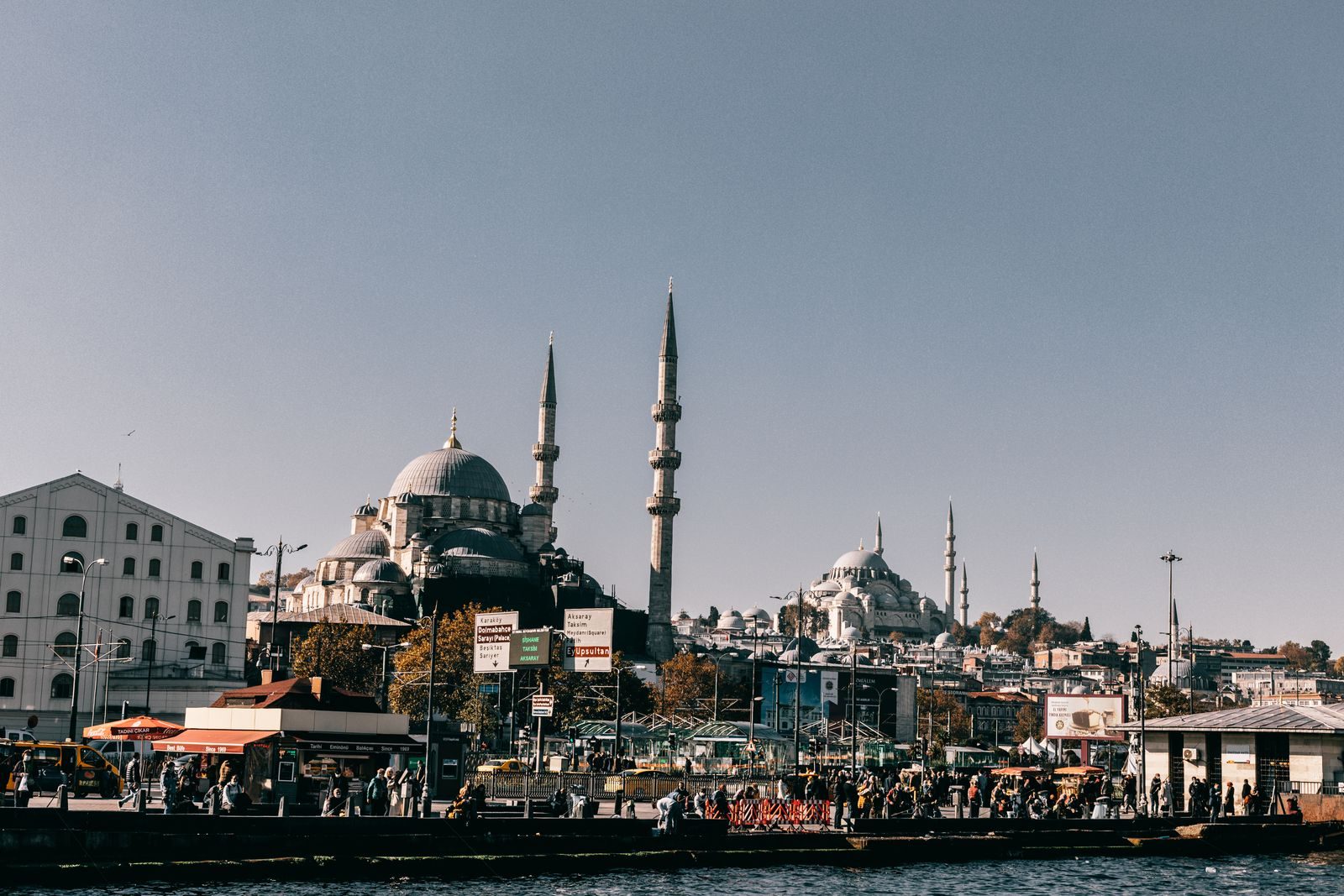
Stay in Sultanahmet to wake up beside Hagia Sophia and the Blue Mosque, Galata and Beyoğlu for restaurants, rooftops and nightlife, Karaköy for the waterfront and design hotels, Kadıköy on the Asian side for a local, food-loving stay, and the Bosphorus shore for palaces and water views.
Istanbul is huge, spread across two continents and split by water, but most of what visitors come for sits in a small area on either side of the Golden Horn. The question is whether you want the monuments outside your door or the city’s evenings.
The quick answer
| Area | Best for | The feel | The trade-off |
|---|---|---|---|
| Sultanahmet | The great monuments | Historic, grand, calm at night | Touristy restaurants; quiet evenings |
| Galata and Beyoğlu | Food, nightlife, the modern city | Lively, hilly, bohemian | Noisy late; steep streets |
| Karaköy | Waterfront, design hotels | Trendy, by the water | Busy with traffic by day |
| Kadıköy | Local life, food, value | The Asian side, relaxed | A ferry ride to the old city |
| Bosphorus shore | Views, palaces, luxury | Waterside, elegant | Further from the old city |
Sultanahmet: the monuments on your doorstep
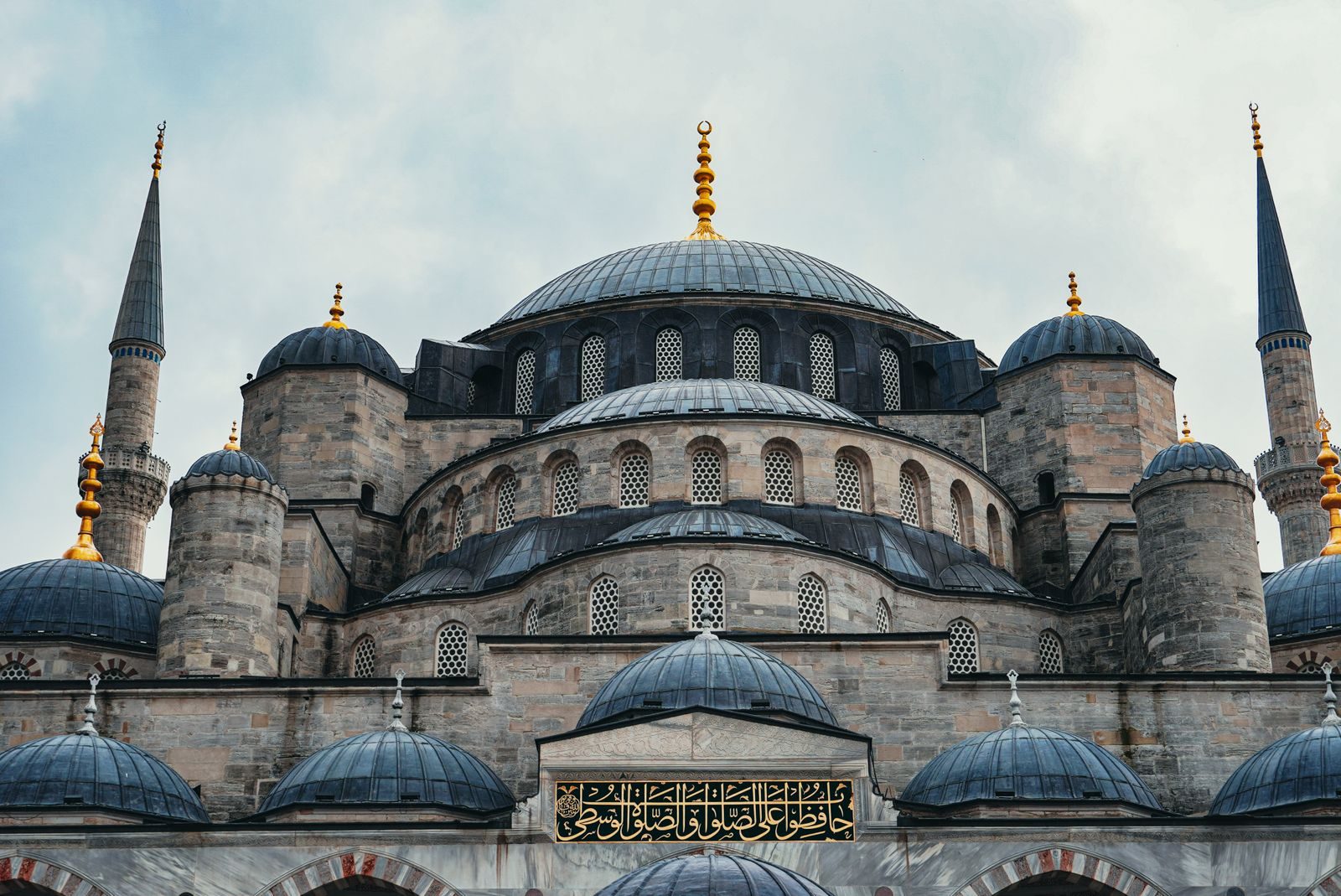
Sultanahmet is the heart of the historic peninsula and the Istanbul of the guidebooks: Hagia Sophia, the Blue Mosque, Topkapı Palace and the Basilica Cistern are all within a few minutes of each other, and the Grand Bazaar is a short walk away. Staying here means you can see the monuments early, before the tour groups. The trade-off is that the area empties at night and many restaurants cater to tourists.
Where to book:
- Stays in Sultanahmet (next to the great monuments)
See nearby: Book Topkapı Palace and Basilica Cistern tickets ahead. Mosques close to visitors during prayer times and ask for covered shoulders and knees, with a headscarf for women, so plan visits around them and check the current visiting rules for Hagia Sophia.
Galata and Beyoğlu: the city’s evenings
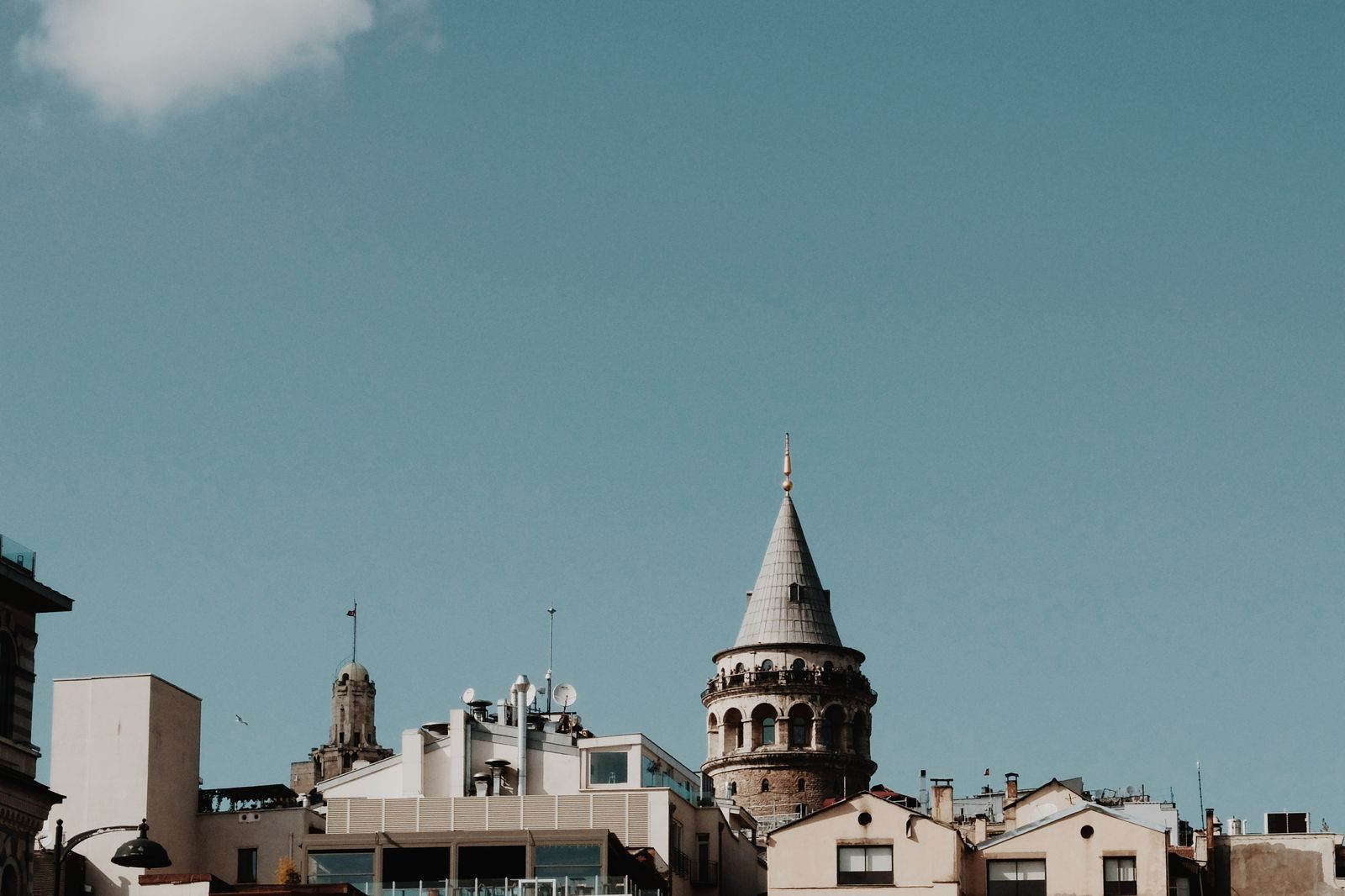
Across the Golden Horn, Beyoğlu is the modern heart of Istanbul. Around Galata Tower, steep lanes are packed with cafés, design shops and restaurants; İstiklal Avenue runs up to Taksim Square with its red heritage tram; and Cihangir is the bohemian corner with views over the Bosphorus. This is where the city eats, drinks and goes out, so it is lively until late. The historic underground funicular, the Tünel, saves the climb from the waterfront.
Where to book:
- Stays in Galata (by the tower, cafés and views)
- Stays in Cihangir (bohemian, residential, Bosphorus views)
See nearby: Climb Galata Tower at sunset, walk İstiklal Avenue in the evening, and end on a rooftop bar looking across to the old city.
Karaköy: the waterfront
At the foot of Galata, right by the Galata Bridge, Karaköy is a former port district turned one of the city’s trendiest areas, with converted warehouses, boutique hotels, galleries and Istanbul Modern on the water. It is a fine compromise: the old city is a walk across the bridge or one stop on the T1 tram, and Beyoğlu’s restaurants are just up the hill. The ferries to the Asian side leave from its quay.
Where to book:
- Stays in Karaköy (waterfront, design hotels)
See nearby: Take a Bosphorus cruise, and walk across the Galata Bridge at dusk, when the fishermen line the rail and the mosques light up.
Kadıköy: the local Asian side
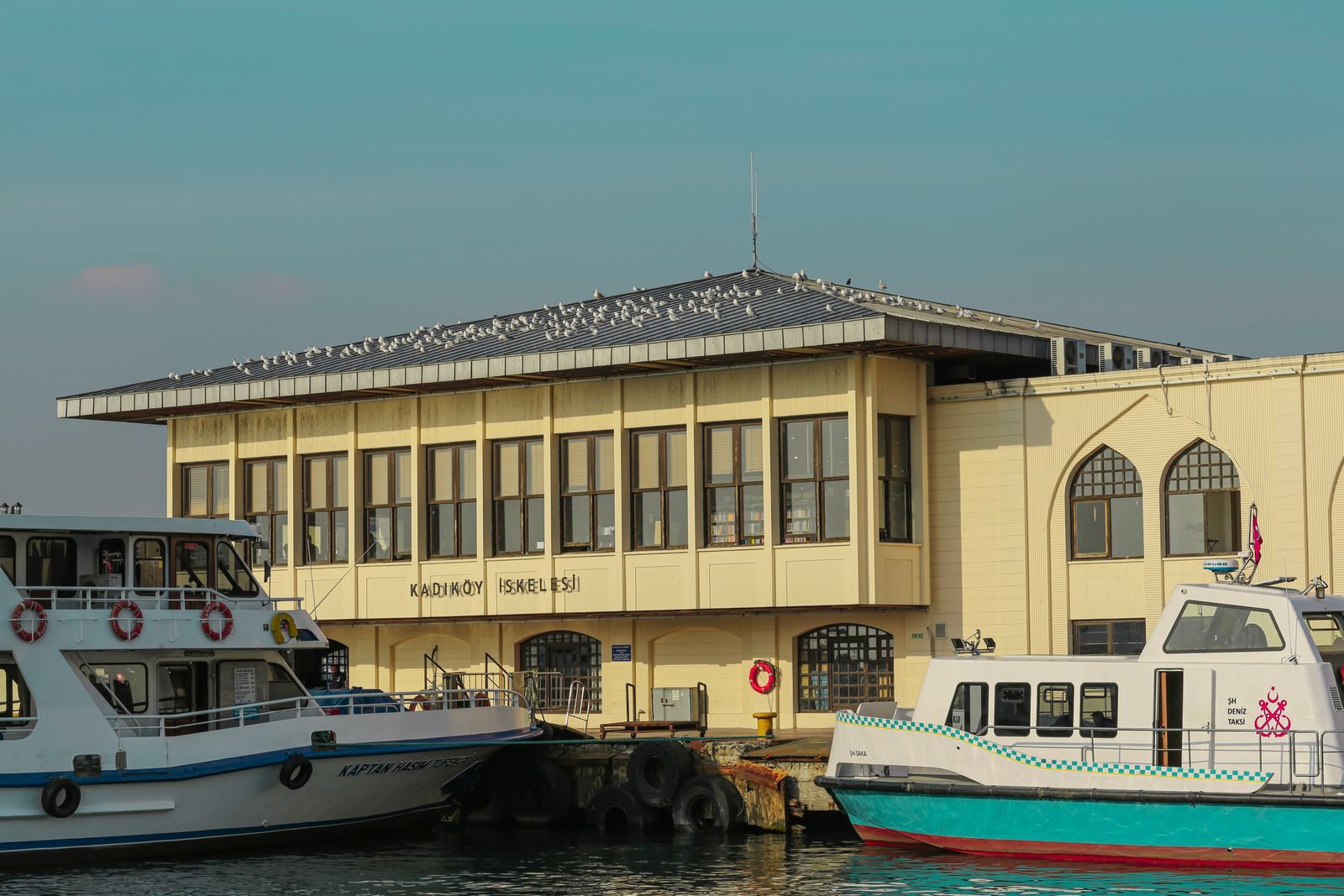
On the Asian shore, Kadıköy is where many Istanbul locals would rather be: a busy food market, independent cafés and bars, street art, and the seafront promenade of Moda. It is usually better value than the European side and feels far less touristy. The ferry to Karaköy or Eminönü takes around twenty minutes and is one of the great rides in the city, with tea on deck and the skyline of minarets ahead.
Where to book:
- Stays in Kadıköy (local, food market, ferries)
See nearby: Eat your way through the Kadıköy market streets, walk the Moda seafront at sunset, and catch an evening ferry back across the water.
The Bosphorus shore: palaces and views
North of Karaköy along the European shore, Beşiktaş and Ortaköy line the Bosphorus with Dolmabahçe Palace, waterside mosques and some of the city’s most luxurious hotels. Staying here is about the water and the views; the old city is a tram or taxi ride away.
Where to book:
- Stays on the Bosphorus (waterside, palaces)
Which base for your trip?
- First visit, monuments first: Sultanahmet.
- Food, nightlife and the modern city: Galata, Beyoğlu or Cihangir.
- A bit of both: Karaköy.
- Local life and value: Kadıköy.
- A special-occasion stay: the Bosphorus shore.
- A longer trip: split it between Sultanahmet and Galata or Kadıköy.
Getting around
Buy an Istanbulkart, the rechargeable card for trams, the metro, buses, funiculars and ferries. The T1 tram links Sultanahmet, Eminönü and Karaköy; the Tünel and the Kabataş funicular climb to Beyoğlu; and ferries cross to the Asian side. Traffic is heavy, so a car is no help in the city. Istanbul Airport is about an hour from the centre; Sabiha Gökçen is on the Asian side.
The best months are April to early June and September to November. Summer is hot and busy, and winter is cool and often wet but quiet. If you are continuing inland, see where to stay in Cappadocia; it is a short flight away.
A note on how we write about cost: we do not publish exact prices, because they move with the season and the exchange rate. As a rule, Istanbul offers strong value for a major world city, and Kadıköy and the side streets of Beyoğlu are usually better value than Sultanahmet’s main squares.
Watch the films
Cross the water at least once a day, and Istanbul will show you both of its faces.