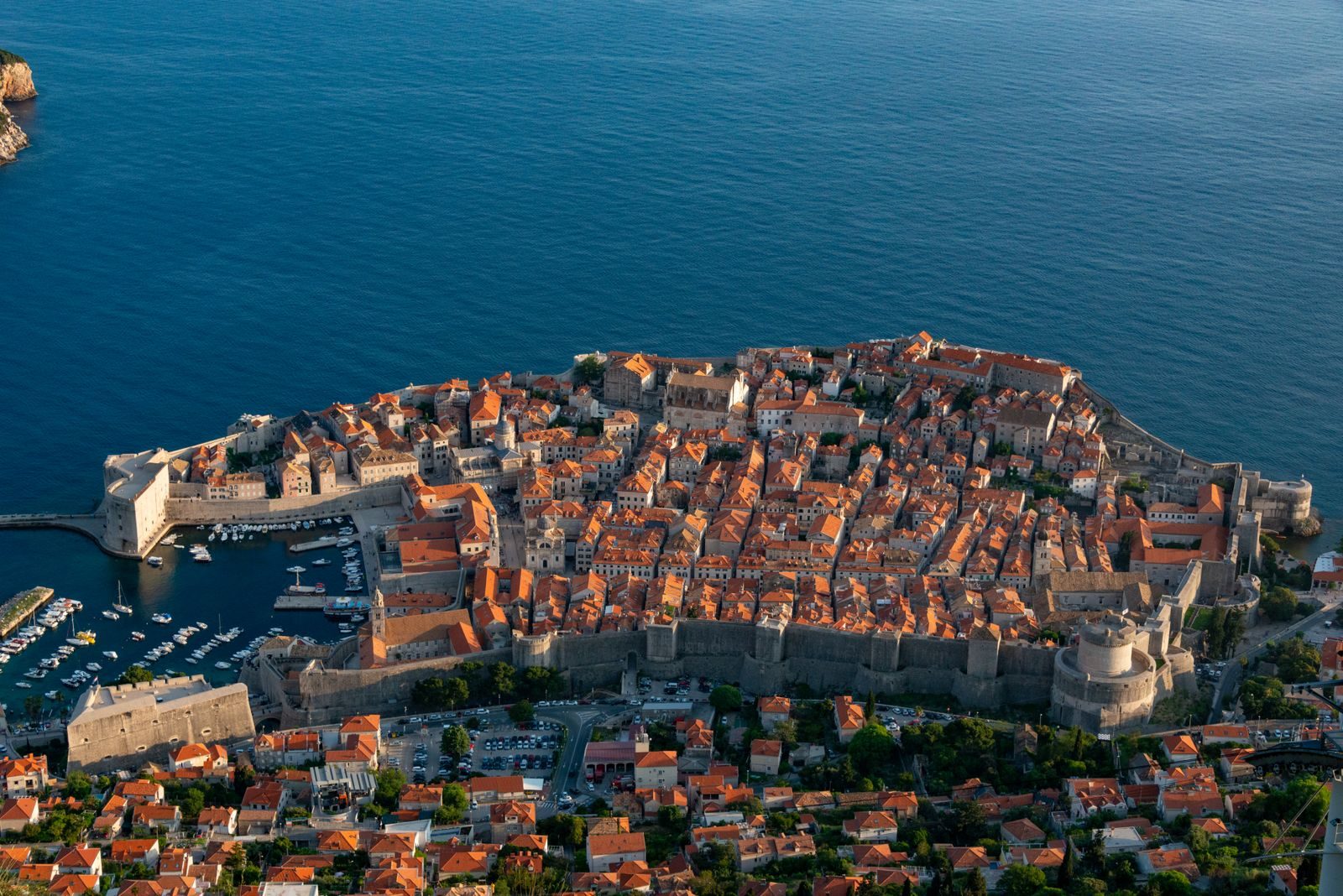
Stay inside the Old Town walls for your first visit and the magic of the Stradun at night, Ploče or Pile just outside the gates for the same walk to the sights with easier access, Lapad or Babin Kuk for beaches, pools and families, Gruž for ferries and better value, and Cavtat for a calm seaside town near the airport.
Dubrovnik is small, and its fame is concentrated in one walled square kilometre that fills with visitors by day. Where you sleep decides whether you see it empty at dawn or only in the crush.
The quick answer
| Area | Best for | The feel | The trade-off |
|---|---|---|---|
| Old Town | First visit, atmosphere | Inside the walls, car-free | Steps, crowds by day, higher prices |
| Ploče | Views of the walls, Banje beach | Just east of the walls, upmarket | Hilly; few budget rooms |
| Pile | Easy access to the gate and buses | Just west of the walls | Busy with traffic and tour groups |
| Lapad and Babin Kuk | Beaches, families, hotels with pools | Leafy peninsula, promenade | A bus ride from the Old Town |
| Gruž | Ferries, buses, value | The working port | Less charm, a bus ride to the walls |
| Cavtat | A calm seaside base | Small harbour town near the airport | A boat or bus into Dubrovnik |
The Old Town: inside the walls
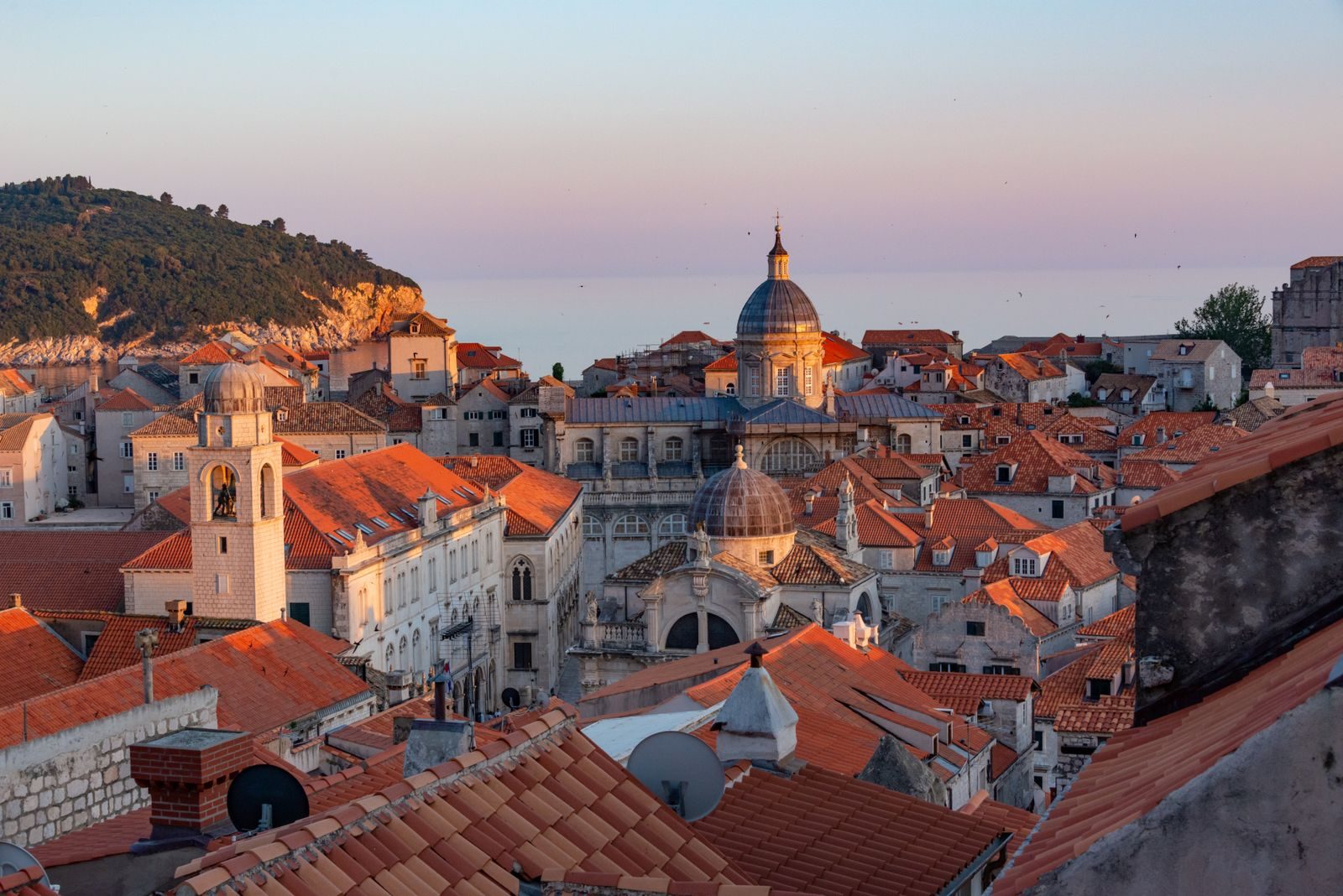
Inside the walls, Dubrovnik is a car-free maze of marble streets and steep stairways around the Stradun, the polished main street. Staying here means you can walk the walls at opening time, eat late in the side lanes after the day visitors have gone, and step out to the old harbour for boats to Lokrum island. Most places to stay are apartments and rooms in old stone houses rather than hotels.
Expect stairs, often many of them, and luggage you carry yourself, because no car or taxi can reach the door. The main lanes are crowded from late morning to late afternoon, especially on cruise-ship days.
Where to book:
- Stays inside Dubrovnik Old Town (apartments and rooms within the walls)
See nearby: Walk the city walls as soon as they open, before the heat and the queues. Take the cable car up Mount Srđ for sunset over the roofs.
Ploče and Pile: just outside the gates
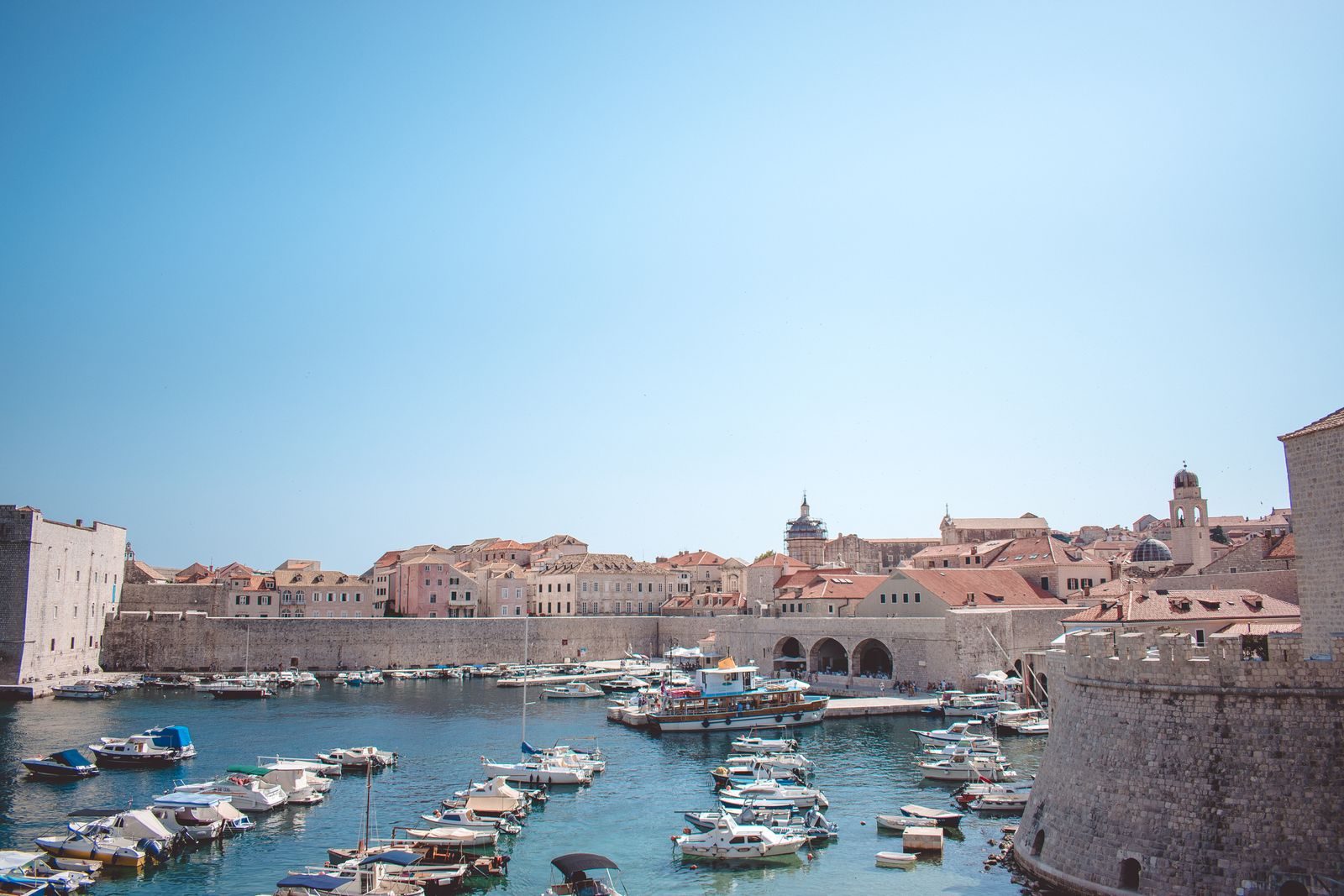
Ploče, east of the walls, climbs the hillside above Banje beach and has the classic view back across the water to the Old Town. It is home to some of the city’s smartest hotels and is five to ten minutes’ walk from the Ploče Gate. Pile, to the west, sits outside the main gate by the Lovrijenac fortress and the local bus stop, which makes it the most convenient base for getting in and out.
Where to book:
- Stays in Ploče (views of the walls, near Banje beach)
- Stays in Pile (by the main gate and the buses)
See nearby: Swim at Banje beach with the walls behind you, and catch the boat from the old harbour to Lokrum, the forested island just offshore, for a quiet afternoon. Overnight stays on Lokrum are not allowed, so plan to come back on the last boat.
Lapad and Babin Kuk: beaches and families
West of the centre, the Lapad peninsula is greener and calmer, with a pedestrian promenade lined with cafés, swimming bays and most of the city’s larger hotels. Babin Kuk, at its tip, has resort hotels and pebble beaches. Local buses run to Pile in around fifteen minutes. It is the best area for families and longer stays, and for anyone who wants a pool and a beach at the end of the day.
Where to book:
- Stays in Lapad (promenade, beaches, hotels)
- Stays in Babin Kuk (resort hotels on the peninsula tip)
See nearby: Walk the Lapad promenade to Sunset Beach at the end of the day, and take a boat trip to the Elaphiti islands for swimming stops on quieter islands.
Gruž: the port and better value
Gruž is Dubrovnik’s working harbour, where the ferries, the coastal buses and the morning market are. It has less charm than the old centre, but it is practical and usually better value, and buses to the Old Town are frequent. A sensible base if you are arriving or leaving by ferry or coach.
Where to book:
- Stays in Gruž (ferries, buses, value)
Cavtat: the calm seaside alternative
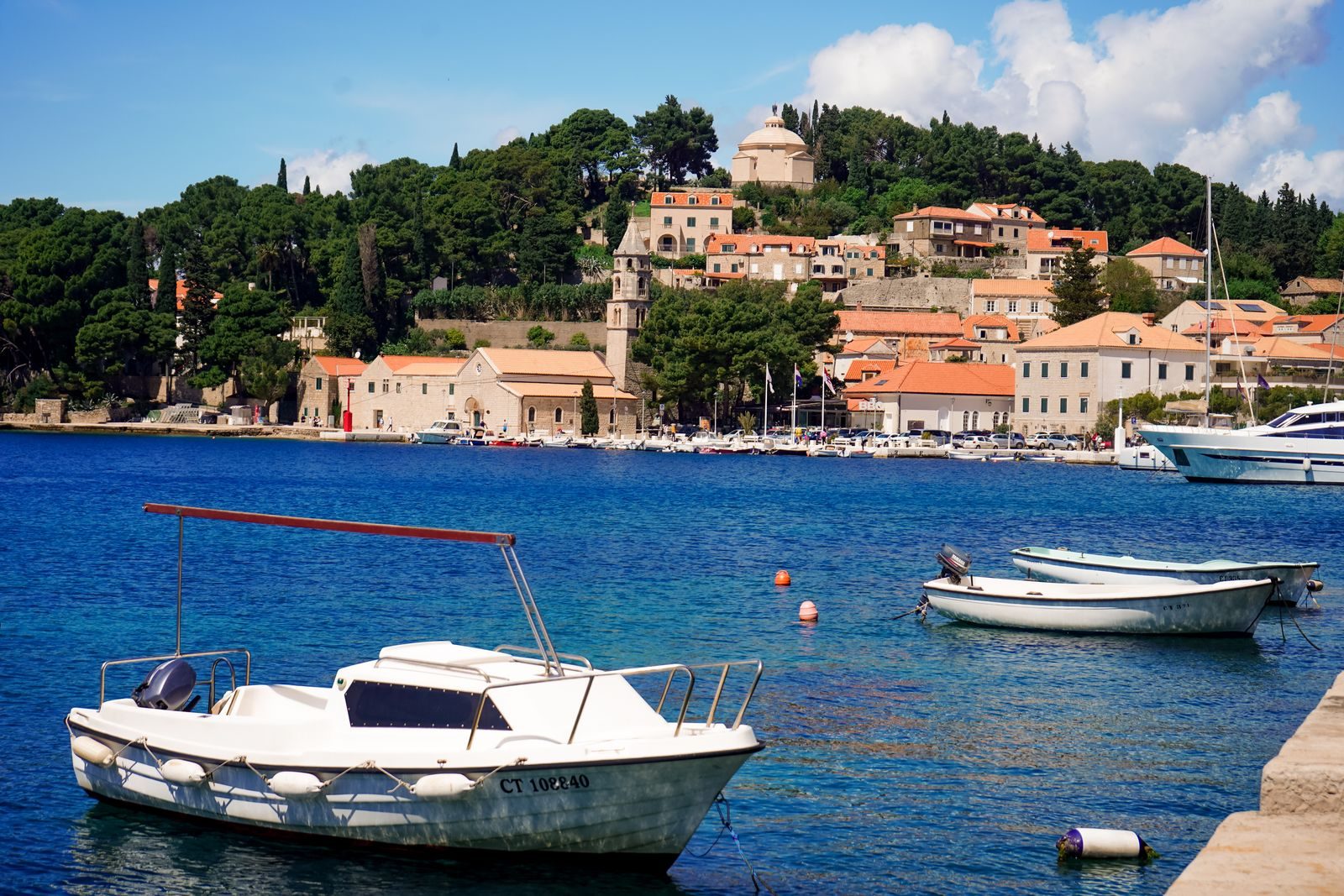
Cavtat is a small harbour town south of Dubrovnik and close to the airport, with a seafront of restaurants and a pine-covered headland ringed by a walking path. It is quieter, more relaxed and often better value than the city. In summer, boats run from Cavtat’s harbour to Dubrovnik’s old port, so the trip in is part of the day.
Where to book:
- Stays in Cavtat (calm, near the airport, boats to Dubrovnik)
See nearby: Walk the headland path around Cavtat at sunset, and use it as a base for a day trip to Montenegro’s Bay of Kotor, which is closer than most people expect.
Which base for your trip?
- First visit, two or three nights: the Old Town, or Ploče and Pile.
- Beaches and families: Lapad or Babin Kuk.
- On a budget: Gruž, or a room in Lapad away from the sea.
- A quieter stay: Cavtat or Lapad.
- Ferries and island hopping: Gruž.
Getting around
Dubrovnik is a walking and bus city. Local buses link Pile, Lapad, Babin Kuk and Gruž, and the Old Town itself is car-free. Parking near the walls is scarce and slow, so a car is no help inside the city. Rent one for the drive up the coast to Split and the islands, or for Ston and the Pelješac wine country: compare car rentals in Croatia.
The best months are May, June, September and early October: warm sea, long days and fewer people than July and August, when the heat and the cruise ships peak. Check the cruise calendar if you can, and plan the walls for days with fewer ships in port.
A note on how we write about cost: we do not publish exact prices, because they swing hard with the season. Inside the walls and in Ploče costs the most; Lapad, Gruž and Cavtat are usually better value for a similar standard.
If Dubrovnik is busier than you hoped, the Bay of Kotor is a short drive south: see where to stay in Montenegro.
Watch the films
- One week in Croatia by car: Dubrovnik to Zagreb
- 5 mistakes people make in Dubrovnik
- Montenegro or Croatia for a road trip
Wake up inside the walls at least once, and Dubrovnik will feel like a different city from the one the day visitors see.