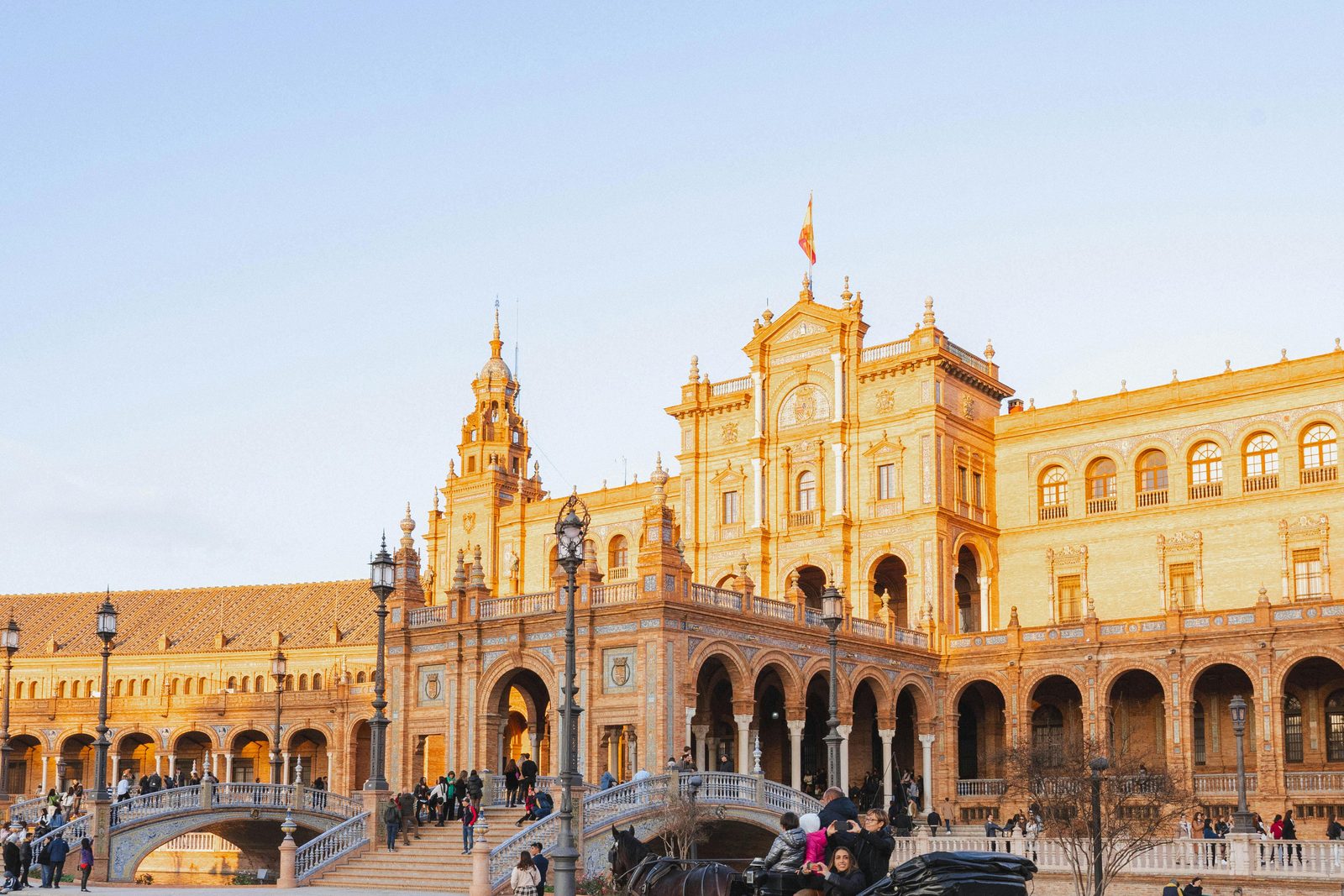
Base yourself in Santa Cruz for your first visit and the big sights, El Arenal for central but a little calmer, Triana for a local, lived-in feel across the river, the Alfalfa and Encarnacion blocks for tapas and buzz, and Alameda de Hercules for nightlife and better value. Seville’s old town is small and walkable, so wherever you base yourself you are rarely more than a fifteen-minute stroll from everything.
Here is each neighborhood, who it suits, where to book, and what to do nearby.
The quick answer
| Area | Best for | The feel | The trade-off |
|---|---|---|---|
| Santa Cruz | First visit, the sights | Historic old quarter, orange-tree lanes | Touristy; some streets noisy at night |
| El Arenal | Central but calmer | Riverside, by the bullring | Fewer late-night options |
| Triana | Atmosphere, flamenco, food | Local, lively, across the river | A short walk from the main sights |
| Alfalfa / Encarnacion | Tapas, nightlife, shopping | Lively, central, local buzz | Busy and loud on weekends |
| Alameda de Hercules | Nightlife, budget, bohemian | Younger, alternative, bar-lined | A walk from the historic core |
Santa Cruz: the best base for a first visit
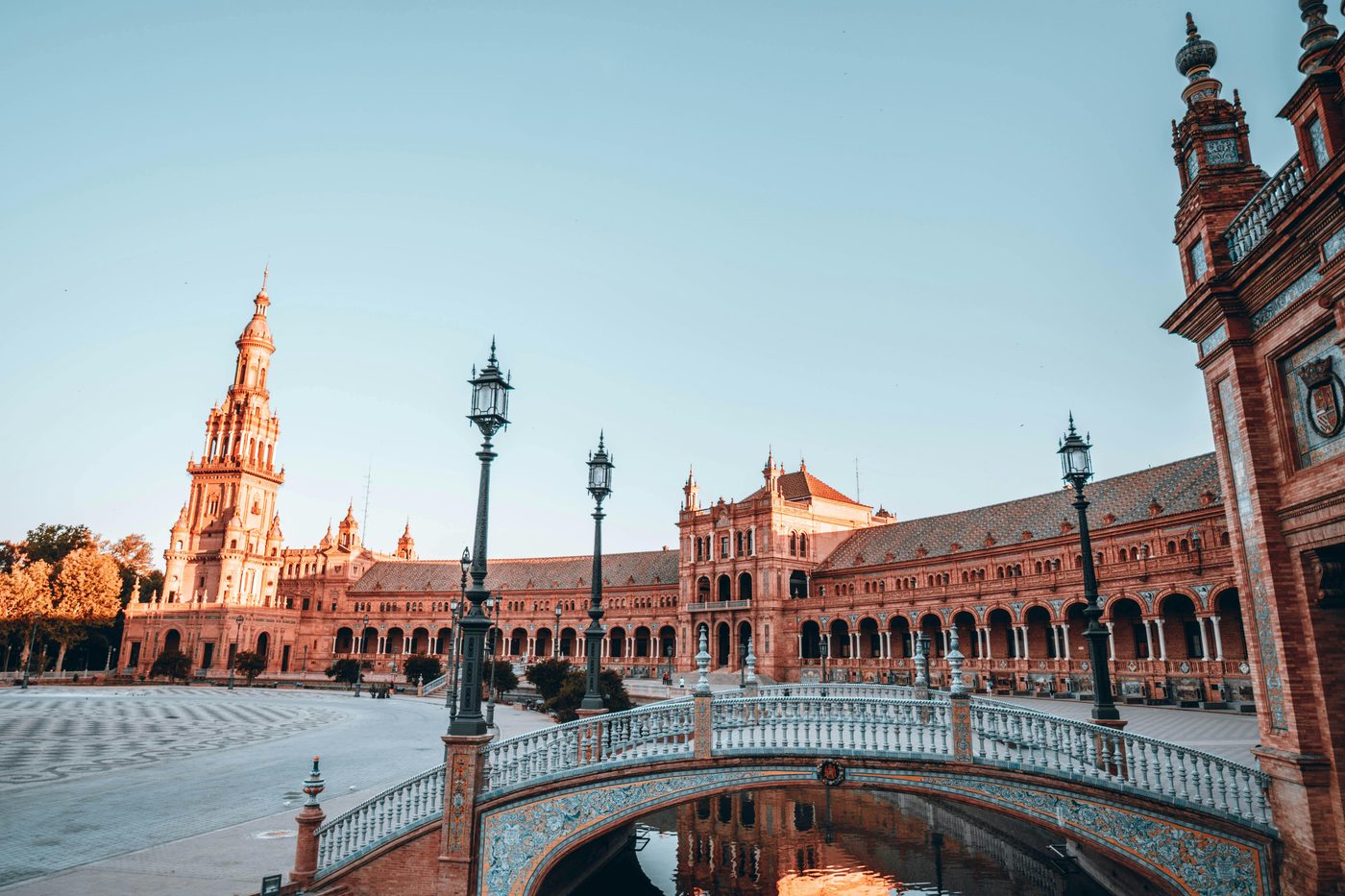
The old Jewish quarter is Seville at its most postcard-perfect: whitewashed lanes barely wide enough for two, hidden squares, and orange trees everywhere. It wraps around the Cathedral and the Giralda tower and the Real Alcazar, so the headline sights are a two-minute walk from your door, and Plaza de Espana and the Maria Luisa park are a short stroll south. For a first visit, this is the easiest and most atmospheric base.
The trade-off is that it is the most touristy part of the city, and a few of the busier lanes stay noisy after dark. Book a street back from the main squares for a quieter night.
Where to book:
- Stays in Barrio Santa Cruz (next to the Cathedral and Alcazar)
- All central Seville hotels and apartments
Eat and see nearby: Book the Real Alcazar and Cathedral tickets ahead, because the queues are long and timed slots sell out. Climb the Giralda for the rooftop view, wander Plaza de Espana at golden hour, and eat tapas standing at the bar the way locals do.
El Arenal: central, a touch calmer
Between the old town and the Guadalquivir river, El Arenal gives you the same easy walk to the Cathedral with a slightly quieter, more residential feel. It is the neighborhood of the Plaza de Toros bullring and the riverfront, with solid traditional tapas bars and sunset walks along the water. A good pick if you want to be central without being in the thick of the tourist crush.
Where to book:
- Stays in El Arenal (riverside, by the bullring)
Eat and see nearby: Walk the river at dusk past the Torre del Oro, cross to Triana for dinner, and catch a flamenco show, which El Arenal is known for. The classic fried-fish and sherry bars here are a proper Seville evening.
Triana: local, lively, across the river
Triana, over the bridge on the far bank, is the Seville that feels most itself: the historic home of ceramics and flamenco, with a brilliant covered market, tiled facades, and some of the best and best-value tapas in the city. It is a ten-minute walk from the centre but a world away in atmosphere, and it is where many return visitors choose to stay.
Where to book:
- Stays in Triana (local feel, great tapas, short walk to the centre)
Eat and see nearby: Browse the Triana Market and the ceramic shops on Calle San Jacinto, then do a tapas crawl along the riverfront. Triana is one of the best places in the city to catch an honest flamenco night rather than a tourist show.
Alfalfa, Encarnacion and Alameda: tapas, nightlife and value
For the liveliest, most local base, stay in the Alfalfa and Plaza de la Encarnacion blocks in the centre, under the giant wooden Metropol Parasol (locals call it Las Setas, “the mushrooms”). It is tapas-bar central and buzzes at night. A little further north, Alameda de Hercules is the bohemian, bar-lined quarter, younger and cheaper, and a strong pick if nightlife or budget is the priority and you do not mind a walk to the sights.
Where to book:
- Stays around Plaza de la Encarnacion and Alfalfa (central, tapas everywhere)
- Stays in Alameda de Hercules (nightlife, better value)
Eat and see nearby: Ride the lift up Las Setas for a city view at sunset, then graze the tapas bars around Alfalfa. The Alameda’s terraces fill late, the way Seville likes it.
Which base for your trip?
- First time in Seville: Santa Cruz, or El Arenal for central but calmer.
- A short 2-night trip: Stay central (Santa Cruz or El Arenal) so you can walk to everything.
- Atmosphere and flamenco: Triana, across the river.
- Tapas and nightlife: Alfalfa and Encarnacion in the centre, or the Alameda.
- On a budget: Alameda de Hercules, Triana, or the blocks just north of the core.
- A quieter, more local stay: Triana or El Arenal.
Getting around: skip the car
Seville’s old town is made for walking, and a car is a genuine liability here: the lanes are narrow, one-way and often pedestrian, and parking is scarce. Stay central and you will walk to almost everything, with the odd taxi or the tram for longer hops. For day trips, the train is the easy choice: Cordoba is around forty-five minutes away, with Cadiz and Granada also within reach. Only rent a car if you are road-tripping the wider Andalusian countryside beyond the city.
A note on how we write about cost: we do not publish exact prices, because they move with the season, and Seville swings hard between the calm months and the crush of the Feria and Semana Santa. The city runs the full range, from hostels and simple guesthouses to restored palace hotels, and as a whole it is gentler on the wallet than Madrid or Barcelona for a similar standard.
Pick your neighborhood, book early for spring, and the rest of a Seville trip is just deciding how much tapas is too much.