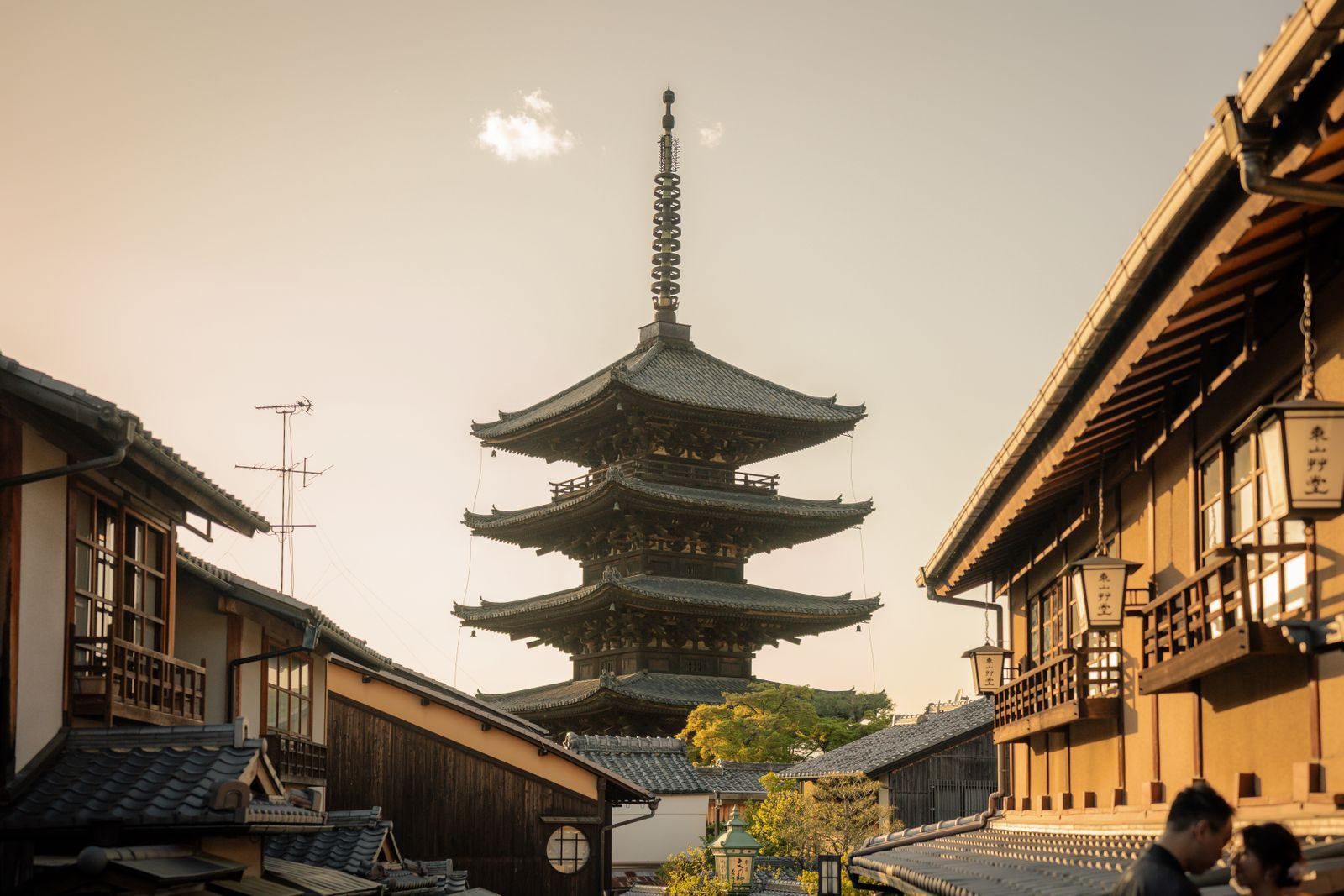
Stay Downtown, around Shijo and Kawaramachi, for a first visit, the best food and the easiest transport. Choose Gion and Higashiyama for old Kyoto, temples and a ryokan night, Kyoto Station for the bullet train and day trips to Nara and Osaka, and Arashiyama for bamboo, the river and quiet evenings.
Kyoto is bigger and more spread out than its old-town image suggests, and its buses are often packed. A base near a subway or train line saves you a lot of time, which is why downtown wins for most first visits.
The quick answer
| Area | Best for | The feel | The trade-off |
|---|---|---|---|
| Downtown | First visit, food, transport | Lively, central, shopping streets | Modern streets rather than old Kyoto |
| Gion and Higashiyama | Old Kyoto, temples, ryokan | Wooden lanes, teahouses | Crowded by day, fewer trains |
| Kyoto Station | Day trips, arriving and leaving | Modern transport hub | Little traditional charm |
| Arashiyama | Bamboo, river, quiet | Scenic, rural edge of the city | About 30 minutes from the centre |
Downtown: the easiest first base
The area around Shijo, Kawaramachi and Karasuma is the city’s commercial heart, with covered shopping arcades, department stores and the best spread of restaurants. Nishiki Market, the long covered food market, is here, and so is Pontocho, a narrow lantern-lit alley of restaurants along the river. Subway lines and private railways run in every direction, and Gion is a short walk across the Kamo River.
Where to book:
- Stays in downtown Kyoto (Shijo, Kawaramachi, Karasuma)
See nearby: Graze through Nishiki Market at lunchtime, walk Pontocho at dusk, and join a Kyoto food or walking tour on your first evening.
Gion and Higashiyama: old Kyoto
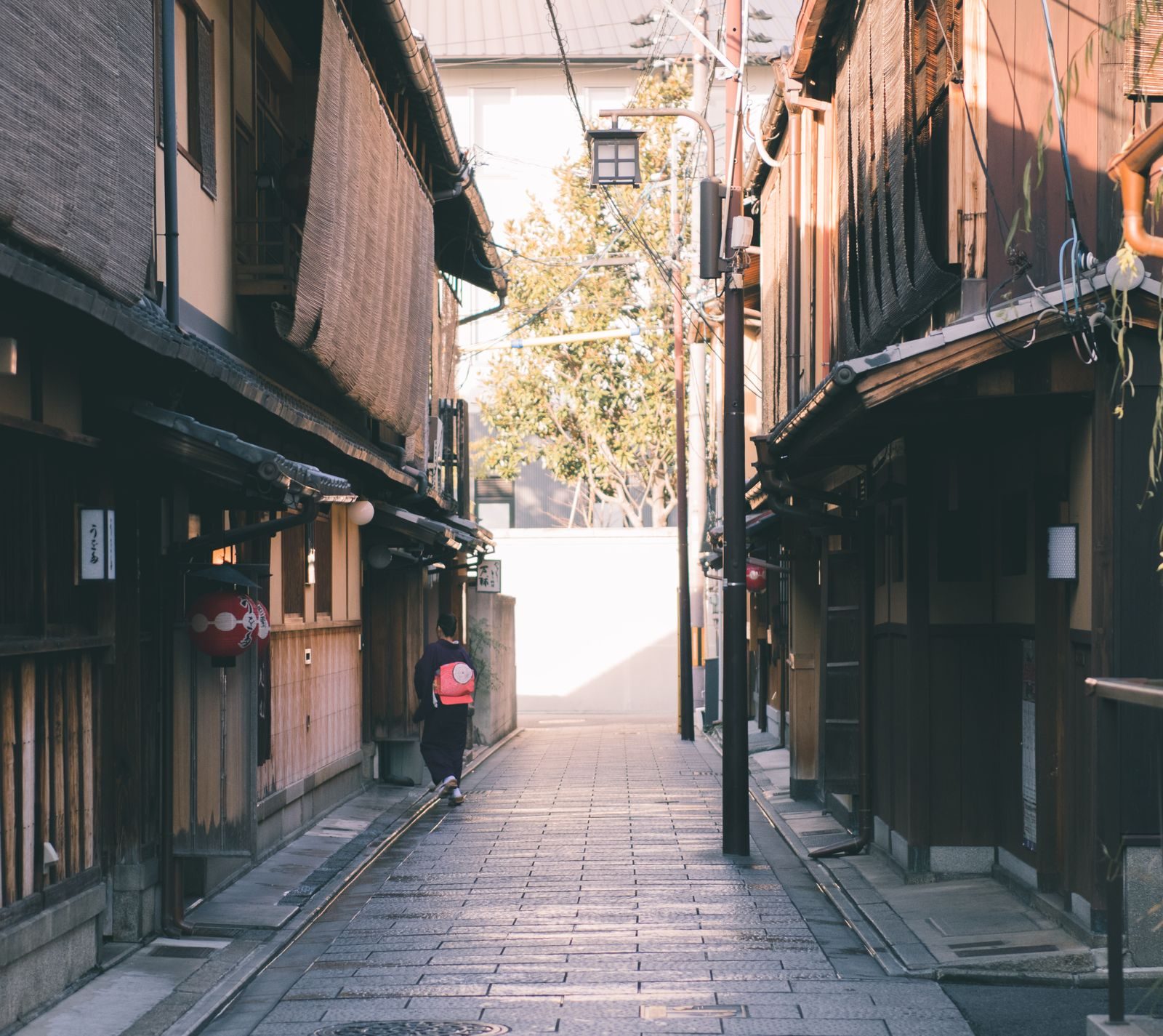
East of the river, Gion is the historic geisha district of wooden teahouses and lantern-lit lanes, and Higashiyama climbs the hills behind it to Kiyomizu-dera, the Yasaka pagoda and the stone-paved slopes of Sannenzaka and Ninenzaka. This is where Kyoto looks most like itself, and staying here lets you walk the lanes at dawn, before the day crowds. It is also where many of the finest ryokan are. Parts of Gion now restrict access to private lanes, so respect the signs and the residents.
The trade-off is transport: there are fewer train stations, and the buses are crowded, so you will walk a lot or take taxis.
Where to book:
- Stays in Gion (teahouse lanes, central to the east)
- Stays in Higashiyama (temples, ryokan)
See nearby: Walk up to Kiyomizu-dera at opening time, wander Sannenzaka and Ninenzaka before the shops open, and book a tea ceremony in a traditional house.
Kyoto Station: day trips made easy
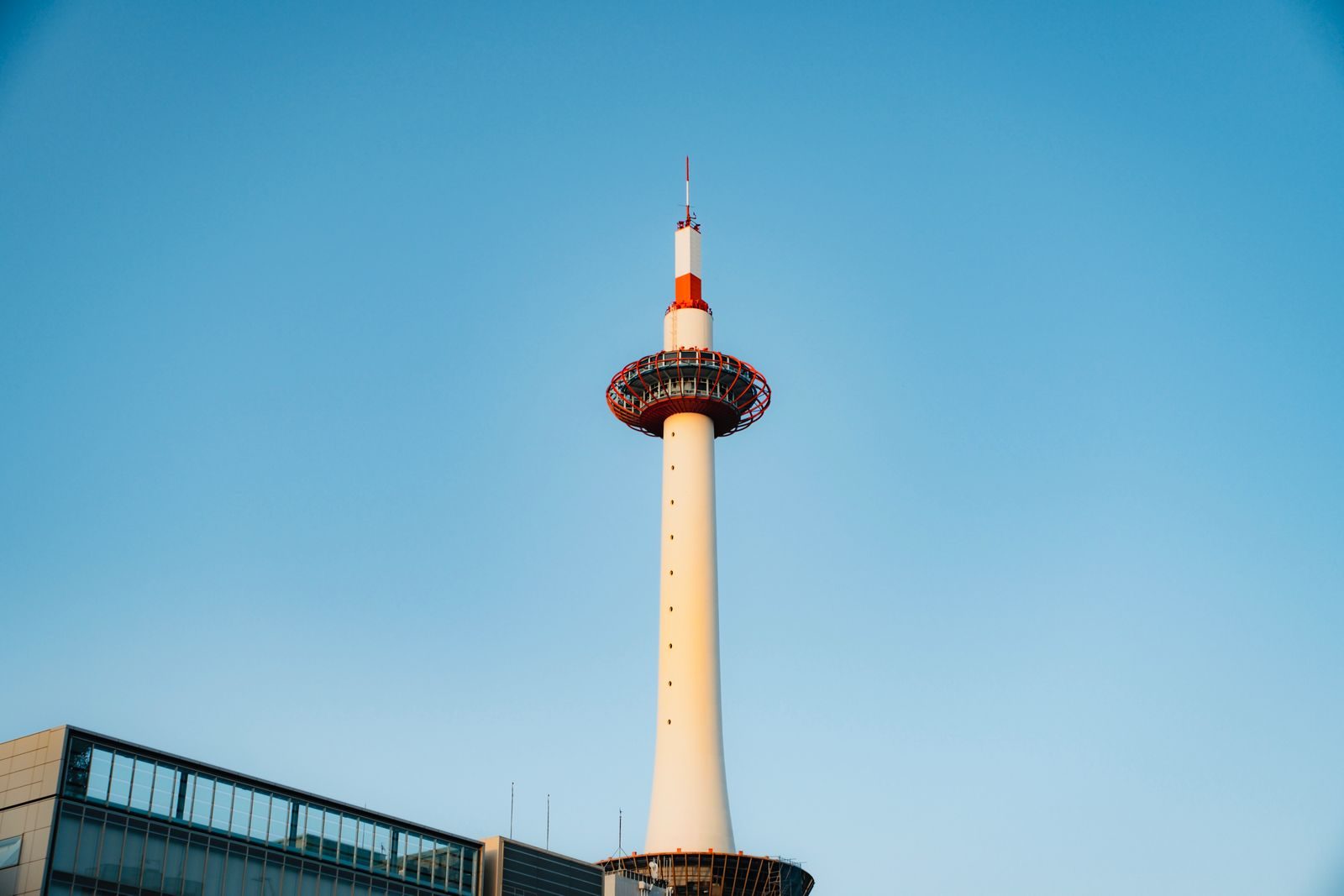
The area around Kyoto Station is modern and practical: the bullet train, the airport express to Kansai International, and fast trains to Nara and Osaka all leave from here, and the Fushimi Inari shrine with its tunnels of red gates is two stops away on the JR line. It has plenty of hotels in every range. It is the least atmospheric base, but the best for short stays and day trips.
Where to book:
- Stays near Kyoto Station (bullet train, day trips)
See nearby: Go to Fushimi Inari early in the morning, and take a day trip to Nara for its deer and the great Buddha of Todai-ji.
Arashiyama: bamboo and the river
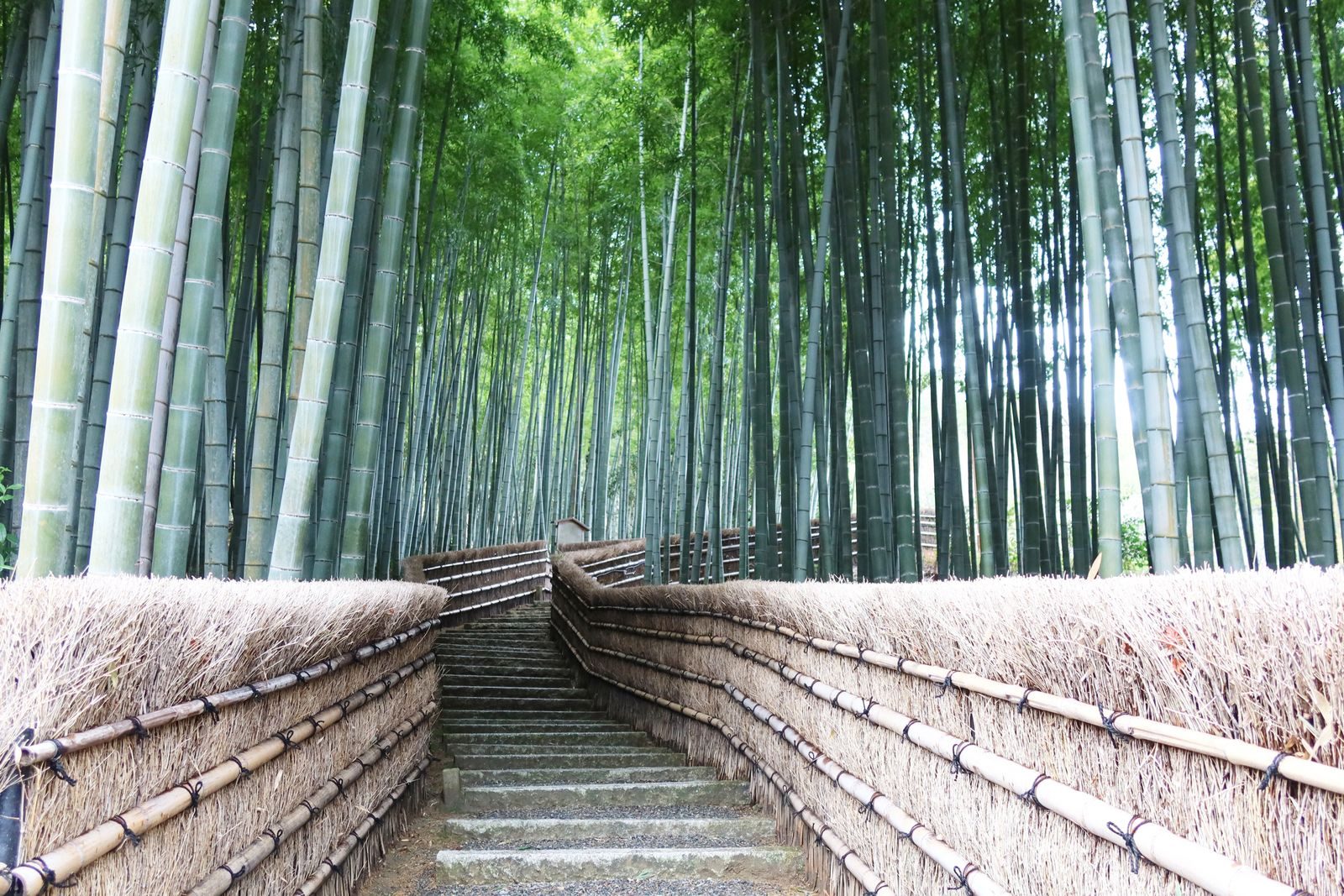
On the western edge of the city, Arashiyama has the famous bamboo grove, the Togetsukyo bridge over the river, the gardens of Tenryu-ji and forested hills behind. By day it is one of Kyoto’s busiest sights; at dawn and in the evening, after the visitors leave, it is wonderfully quiet. Riverside ryokan here make a memorable second base. It is about half an hour by train from downtown.
Where to book:
- Stays in Arashiyama (riverside ryokan, quiet evenings)
See nearby: Walk the bamboo grove at sunrise, before it fills, and take a boat ride on the Hozu River.
Which base for your trip?
- First visit: Downtown.
- Old Kyoto and a ryokan night: Gion or Higashiyama.
- A short stay with day trips: Kyoto Station.
- Quiet and scenery: Arashiyama, as a second base.
- Three nights or more: downtown, plus one night in a ryokan.
Getting around
Kyoto runs on its subway lines, private railways, JR trains and buses. The buses reach most temples but are often packed, especially in spring and autumn, so a base near a train or subway station saves time. Walking and cycling work well in the flat centre. There is no reason to drive: traffic and parking make a car a burden, and trains reach everything worth a day trip.
The most beautiful seasons are the cherry blossoms, from late March to early April, and the autumn leaves in November, and they are also the busiest. Book rooms well ahead for either. Summer is hot and humid; winter is cold, clear and far quieter.
A note on how we write about cost: we do not publish exact prices, because they jump in the blossom and autumn seasons. Ryokan with dinner cost the most; business hotels near Kyoto Station are usually the best value.
Watch the films
Wake up early at least once in Kyoto, and you will have the old city almost to yourself.