Iceland · Mistakes to avoid
5 mistakes families make in Iceland
The five most common family mistakes in Iceland are rushing the Ring Road, underestimating the weather, skipping the Jokulsarlon glacier lagoon, chasing the northern lights in summer, and seeing only the south coast. Give the Ring Road about a week, pack waterproof layers, and visit between late September and March for auroras.
The mistakes, and what to do instead
- 1
Rushing the Ring Road
Route 1, the Ring Road, circles the whole island and is about 1,300 kilometres long. On paper it can be driven in a few days, but the distance does not account for stops, weather, slower speed limits and young children who need breaks. Give it about seven days, and plan no more than three or four hours of driving on most days. If you only have three or four days, choose one region, such as the south coast or Reykjanes and the Golden Circle, rather than racing around the loop.
- 2
Underestimating the weather
Icelandic weather can change several times in a day, with sun, rain, wind and fog all in a few hours, even in summer. Bring waterproof jackets and trousers, warm layers such as wool or fleece, hats, gloves and sturdy shoes for everyone. Cotton jeans are a poor choice when wet. Check the road and weather forecasts each morning on the official sites, and be willing to change plans. Strong wind can make opening car doors hazardous, so hold on to the door and keep children close at waterfalls and beaches.
- 3
Skipping the glacier lagoon
Jokulsarlon is a lagoon filled with icebergs that have broken off the Breidamerkurjokull glacier and drift out to sea, with seals sometimes visible. Nearby, Diamond Beach has chunks of ice scattered on black sand. It is a long drive from Reykjavik, around five hours each way, so it needs an overnight in the south-east, not a day trip with young children. Boat tours, including amphibious boats, are available in season. Stay in a guesthouse near Vik or Hofn, and visit in the morning.
- 4
Chasing auroras in summer
In June and July, the sky in Iceland never gets properly dark, so the northern lights cannot be seen. The aurora season runs from about late September to March, when nights are long. Even then, you need clear skies and aurora activity, so plan several nights, and check the forecast. Summer has its own appeal, with the midnight sun, puffins and open roads. Decide which you want: auroras in winter, or hiking, wildlife and highland roads in summer. Do not expect both in the same trip.
- 5
Only seeing the south
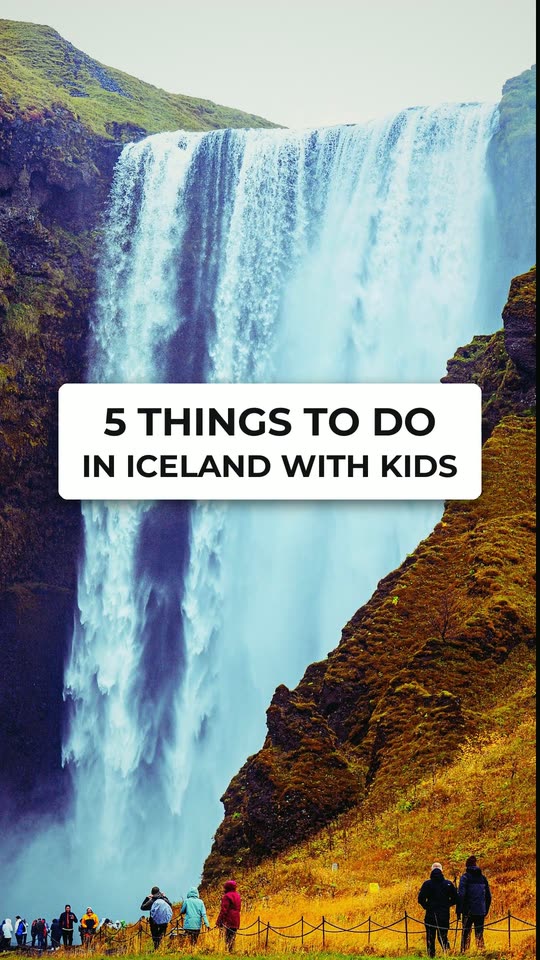
The south coast has Seljalandsfoss, Skogafoss, black beaches and glaciers, and is deservedly popular, but it also has the biggest crowds. The north has Lake Myvatn, Godafoss waterfall, Akureyri and whale watching from Husavik, with far fewer visitors. The Westfjords and the Snaefellsnes peninsula are quieter still. If you have a week or more, mix the two. Even a few nights in the north gives a different landscape, with geothermal areas, lava fields and small towns, and a break from the tour buses.
Plan it
- Best time
- June to August has the longest days, open highland roads and the mildest weather. September to March is the aurora season, with short days and winter driving. Spring and autumn are quieter, but road conditions and weather change quickly.
- How long
- Seven days suits the Ring Road at a relaxed pace. Four to five days suits the south coast with the Golden Circle. Add two or three days if you want the Westfjords or Snaefellsnes.
- Getting around
- A rental car gives the most flexibility. In winter, choose a four-wheel-drive, check road conditions daily, and avoid driving after dark where possible. Fuel stations can be far apart in the north and east, so fill up when you can.
Good to know
- Check road conditions and weather every morning before setting off.
- Stick to marked roads and parking areas. Off-road driving is illegal and heavily fined.
- Fill the tank when it is half full in remote areas, since stations can be far apart.
Frequently asked
How many days do you need to drive the Ring Road in Iceland? +
Seven days is a comfortable minimum with children. You can do it in five if you accept long driving days, but one or two more days make the trip much easier and allow time for stops and weather.
When can you see the northern lights in Iceland? +
From about late September to March, when nights are dark. You need clear skies and aurora activity, so plan several nights. They cannot be seen in June and July, when the sky stays light.
How far is Jokulsarlon from Reykjavik? +
About 370 kilometres, roughly five hours of driving one way. Most families break the journey with an overnight stay in the south, rather than attempting a long return day trip.
What should kids wear in Iceland? +
Waterproof jackets and trousers, warm base layers, wool or fleece, a hat and gloves, and waterproof shoes, even in summer. Layers are better than a single heavy coat, since the weather changes often.